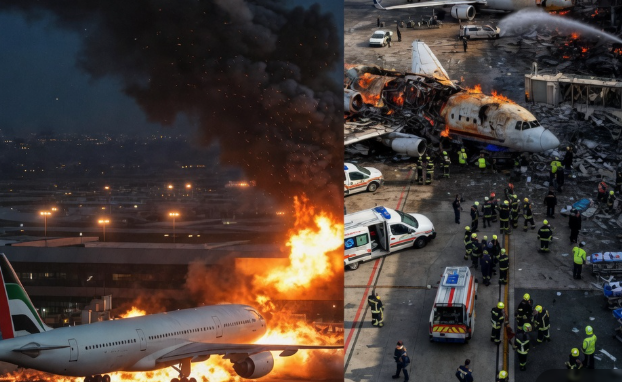
In a major escalation of the Middle East conflict, Iran launched ballistic missiles equipped with cluster warheads at Tel Aviv. Iranian authorities framed the attack as direct retaliation for Israel’s recent assassination of a senior security official. The strikes caused intense flashes over central Israel, resulting in at least two civilian deaths and significant damage to local infrastructure. The deployment of cluster munitions is particularly concerning to humanitarian groups, as these weapons disperse multiple submunitions that can remain lethal long after the initial impact.
This strike reflects a broader regional intensification that has accelerated since early 2026. Iran has broadened its targets to include U.S. bases and strategic facilities in Kuwait, Bahrain, the UAE, and Saudi Arabia. In turn, the United States and Israel have targeted Iranian military and nuclear infrastructure with precision airstrikes. Although advanced defense systems like Iron Dome and Arrow-3 have intercepted numerous threats, the sheer volume and technical sophistication of cluster technology present unprecedented challenges for regional security.The global consequences are profound, with energy markets surging due to instability in the Gulf. Despite international calls for restraint, both Tehran and Jerusalem signal a continued commitment to military action. As diplomatic channels remain ineffective, the region faces a period of heightened uncertainty and the growing risk of a full-scale war.