In the high-stakes environment of modern digital communication, the public schedules of figures like Donald Trump are subject to unprecedented levels of scrutiny. Recently, this scrutiny catalyzed a global wave of speculation when unverified reports of a sudden medical emergency began to circulate. This incident serves as a significant case study for professional journalists and observers, illustrating how information travels through the complex architecture of social media and the immense power that algorithmic amplification holds over public perception. When official communication lags behind the speed of digital discourse, a vacuum is created that is frequently filled by sensationalism and unfounded theories.
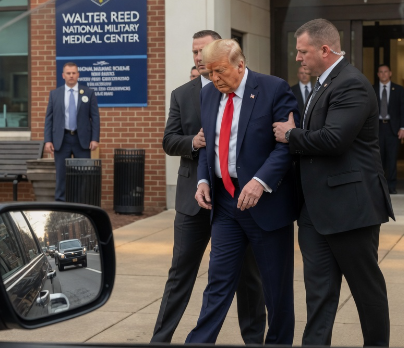
The narrative reached a critical mass on platforms such as X (formerly known as Twitter) and Facebook, where claims suggested that Donald Trump had been urgently admitted to the Walter Reed National Military Medical Center. Despite an initial lack of evidence, the story gained momentum as users prioritized speed over verification. This phenomenon highlights a core vulnerability in the digital age: the tendency for a narrative to be accepted as fact simply because of its volume and frequency of repetition, rather than its grounding in reality. The resulting confusion demonstrates the volatile nature of information when it involves globally recognized leaders.
The investigation into the origins of the rumor points to a mundane catalyst: a minor adjustment to the former president’s public itinerary. When it was announced that Donald Trump would not attend scheduled events on April 4, the deviation from his typically active public routine triggered immediate alarm. In the absence of a detailed explanation for the cancellation, observers and influencers quickly filled the silence with dramatic medical conjectures. This highlights the critical importance of clear communication from official channels to prevent the rapid onset of digital misinformation.
A major factor in the spread of these rumors is the design of social media algorithms. These systems are engineered to prioritize content that generates high engagement, often favoring alarming or sensational news over factual updates. As the speculation surrounding Donald Trump began to trend, the algorithms pushed the claims to a wider audience, regardless of their truth. This creates a cyclical amplification where the sheer scale of the discussion is mistaken for the validity of the claims, presenting a recurring challenge for those attempting to maintain an accurate public record.
To regain control of the narrative, official representatives were forced to issue direct statements clarifying that the reports involving Walter Reed were entirely false. Authorities confirmed that Donald Trump remained at his residence, attending to his usual responsibilities without interruption. This intervention was essential in providing a verified counter-narrative to the chaos that had dominated social platforms, reinforcing the idea that institutional transparency is the most effective tool against the spread of panic.
The public interest in the health of leaders often draws from past medical disclosures. In the case of Donald Trump, historical data includes a diagnosis of chronic venous insufficiency, a manageable condition involving the function of vein valves in the legs. While this condition requires standard care and lifestyle adjustments, officials were quick to clarify that it had no bearing on the recent schedule changes. This distinction was necessary to prevent further conflation of historical health facts with the recent unfounded rumors of a medical crisis.
The incident also emphasized the divide between the chaotic nature of social platforms and the disciplined approach of fact-checking organizations and traditional media. Many reputable outlets chose to wait for official confirmation before reporting on the Walter Reed rumors, prioritizing accuracy over the race for clicks. This contrast underscores the vital need for media literacy among the general public. Navigating high-stakes news requires a commitment to trustworthy sources and a skepticism toward sensational claims that lack official corroboration.
Ultimately, the debunking of the medical emergency rumors highlights the broader tension between the public’s right to know and the rapid spread of digital misinformation. Such incidents can influence public perception and even impact market stability. The event serves as a sobering reminder that in a world where news travels at the speed of a click, waiting for verified information is essential. Moving forward, the lessons learned underscore that clear communication and critical thinking are the only defenses against the distortion of reality in the digital environment.