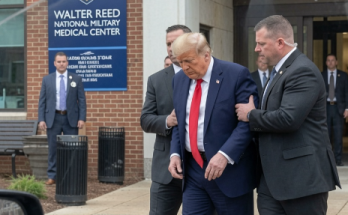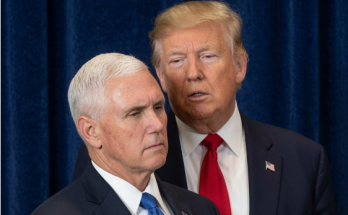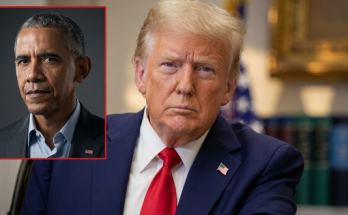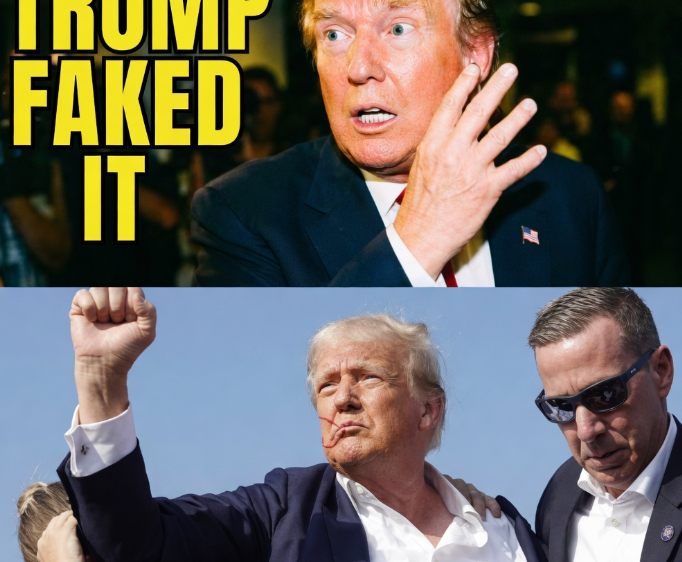
On the evening of April 25, 2026, the Washington Hilton—an architectural landmark historically scarred by the 1981 attempt on Ronald Reagan’s life—became the site of a modern security nightmare. What was intended to be the triumphant return of Donald Trump to the White House Correspondents’ Dinner (WHCD) during his second term transformed into a chaotic scene of gunfire and terror. The event, colloquially known as the “nerd prom,” was meant to bridge the gap between the press and the presidency, but instead, it left over 2,600 of the world’s most powerful figures ducking for cover beneath linen-covered tables and abandoned salads. The incident has since sparked a massive investigation into the protocols of the Secret Service and the safety of public venues for presidential appearances. The security breach occurred at approximately 8:40 p.m. in the International Ballroom, a subterranean space often touted as one of the most secure locations in the United States. As the first course of the gala was being cleared, the rhythmic sound of gunfire erupted from the lobby area just outside the ballroom doors. The suspect, identified as 31-year-old Cole Tomas Allen from Torrance, California, reportedly charged the security magnetometer checkpoint. Allen was heavily armed with a shotgun, a handgun, and several knives. In the initial exchange, a Secret Service agent was shot in the chest; while his bullet-resistant vest saved his life, the breach signaled a catastrophic failure of the outer security perimeter. Inside the ballroom, the atmosphere shifted instantly from high-society celebration to primal fear. The Secret Service Counter-Assault Team (CAT), equipped with heavy tactical gear and long rifles, swarmed the dais to form a human wall around President Trump and First Lady Melania Trump. Simultaneously, agents rushed Vice President JD Vance out of the room through a secure side exit. High-profile attendees, including Robert F. Kennedy Jr., FBI Director Kash Patel, and Pete Hegseth, were forced to seek cover as the ballroom descended into a state of “tuxedoed chaos.” The lack of cellular service in the subterranean ballroom amplified the panic, leaving journalists and politicians unable to communicate with the outside world during the most critical minutes of the lockdown.
Journalists present, such as Ali Vitali of NBC, later described the surreal experience of reporting from under tables. While some attendees attempted a defiant chant of “USA! USA!”, the overriding sentiment was one of confusion and vulnerability. The actual gunfire lasted less than thirty seconds, but the clearing of the hotel took hours. Hundreds of personnel from the Metropolitan Police, TSA, and the National Guard established a five-block perimeter around Connecticut Avenue. Ken Dilanian reported that the evacuation was methodical but fraught with tension, as security forces worked to ensure no secondary shooters were present in the massive hotel complex. By 11:00 p.m., President Trump had returned to the White House to address the nation alongside Kash Patel and Acting Attorney General Jeanine Pirro. While the President praised the bravery of his security detail, he quickly pivoted to a controversial political objective: the construction of a dedicated White House Ballroom. This proposed high-security event space on the White House grounds has been a point of contention with D.C. urban planners, but Trump argued that the night’s violence was definitive proof that public venues are no longer safe for the executive branch. Supporters of the administration have since used the Hilton breach as a primary justification for the project, while critics remain skeptical of the cost and the isolationist optics of such a fortress. The investigation into Cole Tomas Allen has raised uncomfortable questions about the layering of security at the Washington Hilton. Initial reports suggest Allen may have been a registered guest at the hotel, which potentially allowed him to bypass certain external checkpoints that would have otherwise flagged a non-guest. Furthermore, the “flimsy” nature of the WHCD ticketing system—which relies on physical paper tickets rather than high-tech scanning—has been identified as a critical vulnerability. Experts are now debating how a man with a shotgun and multiple knives could get so close to a room containing the entire line of presidential succession. The historical irony of the location was a frequent point of discussion in the aftermath. The Washington Hilton is famously known as the “Hinckley Hilton” because of the 1981 shooting of Ronald Reagan by John Hinckley Jr. leaving the same building. That 2026 saw a similar breach of the “most secure room in America” suggests that the physical challenges of the site remain unresolved despite decades of technological advancement. While no one was killed in this latest incident, the psychological impact on the Washington press corps and the political establishment is profound. The event intended to celebrate the First Amendment ended with the press silenced by a lack of signal and the President calling for an end to public galas. As the FBI continues to process the crime scene, the future of the White House Correspondents’ Dinner remains in doubt. The 2026 shooting has fundamentally altered the posture of political events in the capital, shifting the conversation from a celebration of democratic norms to a focus on tactical security and the necessity of presidential isolation. The night the Washington Hilton was breached will likely be remembered as the moment the “nerd prom” lost its innocence and the push for a White House fortress became a political reality.