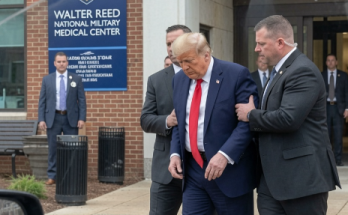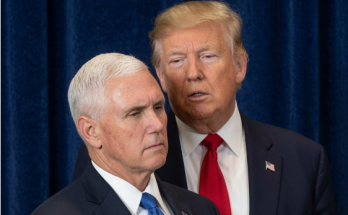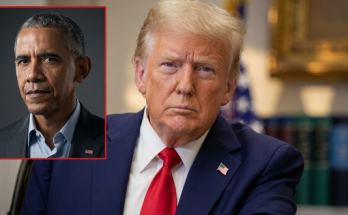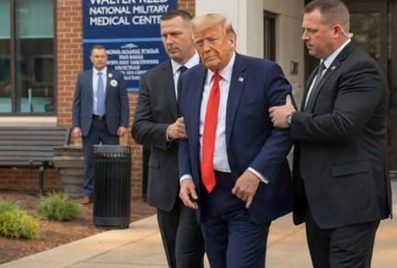
In the modern, high-velocity digital era, even the slightest modification to the public itinerary of a prominent figure can trigger a cascade of global discourse. This phenomenon was recently exemplified by the intense online scrutiny regarding the health of former U.S. President Donald Trump. The situation serves as a case study for the intersection of public curiosity, social media velocity, and the challenges of maintaining factual accuracy in a landscape where unverified information can outpace official communication. As reports began to surface regarding potential medical issues, the digital ecosystem responded with a surge of activity that highlights the fragility of public perception in the face of speculative narratives. The genesis of the most recent wave of speculation can be traced back to unconfirmed reports suggesting that Donald Trump had been admitted to the Walter Reed National Military Medical Center. This specific location carries significant weight in the public consciousness, given its history of treating presidents and high-ranking officials. Platforms like X (formerly Twitter), Facebook, and various digital forums became hotbeds for discussion, as users shared and reshared posts about a potential medical emergency. Despite a lack of initial evidence or official confirmation, the narrative gained rapid momentum, demonstrating how digital algorithms prioritize high-engagement topics, regardless of their verified status.
Investigations into the source of these rumors point toward a specific change in the former president’s public schedule. On April 4, it was announced that Donald Trump would not be attending several previously planned events. Given his reputation for a rigorous and consistent public presence, this deviation from the norm was immediately flagged by observers. In the information vacuum that followed the cancellation, social media users began to hypothesize about the reasons behind the absence. This environment allowed assumptions to transform into viral claims, illustrating how a lack of immediate, detailed explanation from official channels can inadvertently provide space for misinformation to flourish. The role of social media platforms in this incident cannot be overstated. The architecture of modern social media is designed to amplify content that generates strong emotional responses. When claims involving a figure as polarizing and recognizable as Donald Trump are introduced, the resulting engagement signals to the platform’s algorithms that the content should be shown to a broader audience. This creates a feedback loop where speculation is treated as news, and users are exposed to unverified claims repeatedly, which can lead to the false perception that the information is widely accepted or factually sound. To combat the rising tide of rumors, official representatives eventually issued direct clarifications to the public and the media. These statements categorically denied the reports of a medical emergency or a visit to Walter Reed National Military Medical Center. Authorities confirmed that Donald Trump remained at his personal residence and was actively engaged in his routine duties. This intervention was crucial in recalibrating the public narrative, providing a definitive anchor of truth to counter the speculative storm that had dominated social media for several hours. Part of the public’s heightened sensitivity to these rumors stems from previous disclosures regarding Donald Trump‘s health. In the past, it was revealed that he had been diagnosed with chronic venous insufficiency. This medical condition, characterized by the improper functioning of valves in the veins—typically in the legs—can lead to issues with blood circulation. While medical experts generally consider this condition common among older adults and highly manageable through standard care and lifestyle adjustments, its presence in his medical history provides a context that speculative actors often exploit when new rumors arise. The public reaction to the April 4 incident was a microcosm of broader societal divisions. While some supporters expressed concern, many other users and fact-checking organizations maintained a stance of skepticism, urging the public to wait for corroborated reports from reputable news outlets. This divide emphasizes the importance of media literacy. As the digital age progresses, the ability of the average citizen to distinguish between a viral post and a verified report becomes a vital skill for maintaining a stable and informed democracy. Ultimately, this episode serves as a reminder of the immense pressure placed on public figures and the media organizations that cover them. The tension between the need for speed in reporting and the necessity of verification is a defining challenge of our time. Donald Trump’s schedule change and the subsequent rumors provide a clear lesson: in the absence of transparency, speculation will fill the void. Moving forward, both official entities and media consumers must prioritize verified information to navigate the complexities of the modern information landscape and reduce the harmful impact of digital misinformation.