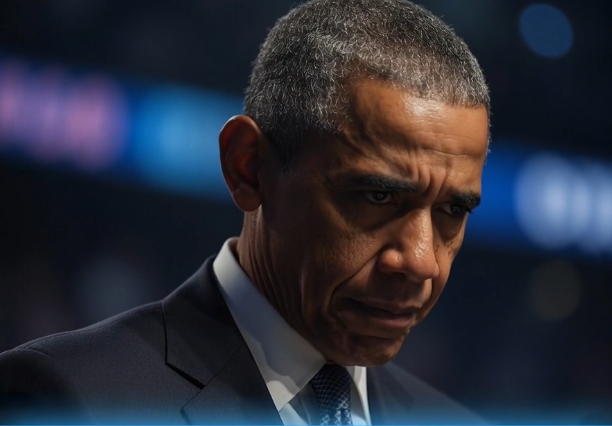
The Supreme Court of the United States faced significant internal division in 2016 when it issued a rare emergency order to block former President Barack Obama’s landmark Clean Power Plan. According to confidential memos recently obtained by The New York Times, Chief Justice John Roberts played a pivotal role in urging the court to intervene. Roberts, alongside other conservative justices, expressed deep-seated concerns that the Environmental Protection Agency (EPA) initiative would cause a “substantial and irreversible reordering” of the American energy sector before the judiciary could fully assess its legality. This internal push highlights the tension between the court’s conservative majority and its liberal wing, who argued that such a move broke from traditional judicial protocol. The memos provide a rare look into the court’s emergency docket, often referred to as the shadow docket. This mechanism allows the justices to grant immediate relief, such as halting a regulation, before a case has been fully litigated in lower courts. In this instance, several Republican-led states and private industry groups sought to stop the Clean Power Plan, which aimed to drastically reduce carbon emissions by regulating power plants under the Clean Air Act. While the Obama administration and liberal justices like Elena Kagan cautioned against the “unique nature” of such an intervention, Justice Samuel Alito backed Roberts, arguing that a failure to act would undermine the court’s “institutional legitimacy” and its ability to provide meaningful judicial review.
The policy at the heart of the dispute, the Clean Power Plan, represented a sweeping attempt by the EPA to transition the United States toward a cleaner energy future. By setting stringent emission standards for coal-, oil-, and gas-fired power plants, the regulation aimed to force a move away from fossil fuels. Republicans and industry advocates argued the plan would gut the energy sector and cause utility prices to skyrocket. Chief Justice John Roberts echoed these fears, writing that without a stay, the rule would cause “irreparable harm” from a policy he believed was “highly unlikely to survive” full legal scrutiny. This proactive stance by the conservative justices signaled a willingness to prioritize the prevention of economic shifts over the standard process of allowing lower courts to conclude their reviews first. Justice Elena Kagan voiced strong dissent, expressing “real pause” over the court’s deviation from established practices. However, Justice Samuel Alito countered by suggesting that allowing the rule to proceed would render the court’s review powers a “nullity.” The internal memos illustrate the rapid, high-stakes negotiations that occurred between late January and early February 2016. The 5–4 ruling that followed not only halted the plan but signaled a new era of judicial assertiveness. While the White House remained hopeful in public, the Times reporting clarifies that the administration was caught off guard by the court’s aggressive use of the shadow docket to stifle executive-led climate initiatives. The disclosure of these private communications has sparked a new wave of controversy regarding the court’s internal security. Legal analyst and Georgetown Law School professor Jonathan Turley characterized the leak as an intentional effort to “wound” certain members of the court. Turley noted that this follows the high-profile 2022 leak of the Dobbs draft opinion, which overturned Roe v. Wade. For an institution that defines itself by its insularity and confidentiality, these repeated breaches suggest an increasingly “porous and partisan” environment. The leak not only exposes the legal reasoning behind a major policy shift but also underscores the growing political pressure surrounding the highest court in the land. Ultimately, the 2016 emergency order serves as a case study in the evolution of judicial power. By halting the Clean Power Plan before it could be implemented, the Supreme Court effectively redirected the course of U.S. environmental policy. The memos reveal that this was not merely a routine procedural decision but a calculated move driven by the conservative majority’s desire to prevent what they perceived as an overreach by the EPA. As the court continues to navigate complex regulatory challenges, the legacy of the shadow docket and the internal fractures exposed by these leaks remain central to the debate over the judiciary’s role in American governance.