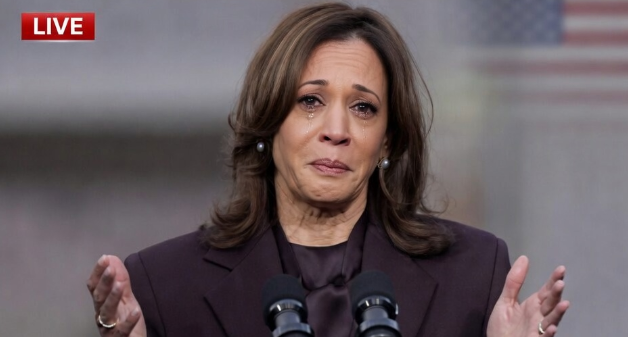
In a blunt and unvarnished assessment of the current Democratic landscape, legendary strategist James Carville has issued a stern warning to former Vice President Kamala Harris and her political circle: the Democratic Party is ready to turn the page on the 2024 election cycle. Speaking on his Politics War Room podcast, Carville expressed that there is a palpable desire within the party to distance itself from anyone associated with the recent electoral defeat. According to Carville, the political environment for the 2028 primary will not favor those tied to the Biden-Harris administration, suggesting that the party’s base and leadership are seeking a completely fresh start rather than a continuation of the previous platform or its primary figures. The strategist’s comments come amid heightened speculation regarding the future of Kamala Harris. While Harris recently announced she would not seek the governorship of California—a move many analysts interpreted as a strategic choice to preserve her path for a second presidential run—Carville was dismissive of her prospects. He argued that the rejection of the 2024 ticket extends beyond individual performance, describing it as a collective party impulse to move on. This sentiment was echoed by co-host Al Hunt, who pointedly suggested that Joe Biden should embrace a “restful retirement,” highlighting the growing tension between the party’s legacy leadership and its future direction.
The purge of 2024 associations, in Carville’s view, even includes Minnesota Governor Tim Walz. Despite his popularity during the campaign, Carville advised that even Walz should refrain from a 2028 bid, noting that he would offer the same advice to his closest friends. The overarching message is clear: the Democratic establishment believes that the “strained relationship” with the current leadership necessitates a total overhaul of the party’s public face. This internal friction is complicated by the fact that high-profile figures like Gavin Newsom and Pete Buttigieg are already being viewed as potential frontrunners, creating a crowded field of ambitious politicians eager to fill the leadership vacuum. Amidst this backdrop of national ambition, Maryland Governor Wes Moore has taken a different public stance. Despite being frequently cited as a rising star and a prospective 2028 contender, Moore has explicitly denied any plans to run for the presidency or the vice presidency. While his recent travels to South Carolina for the Blue Palmetto Dinner have sparked rumors, Moore maintains that his focus remains entirely on his current role. He emphasized his commitment to bringing business to Maryland and navigating the challenges of his first term, though his increasing national profile and presence in early primary states continue to keep his name in the conversation among party insiders. Finally, former Transportation Secretary Pete Buttigieg represents a more active approach to post-2024 positioning. Unlike Moore’s denials, Buttigieg is aggressively leaning into traditional and digital media to maintain his relevance. By engaging with voters across various platforms and discussing the success of the party after leaving the Biden administration, Buttigieg is keeping his options open while avoiding a formal declaration. This contrast between the “clean break” advocated by James Carville and the active maneuvering of younger leaders sets the stage for a protracted ideological and generational battle within the party leading up to the 2028 cycle.