The Viral Pulse: How Modern Media Shapes Political Dialogue
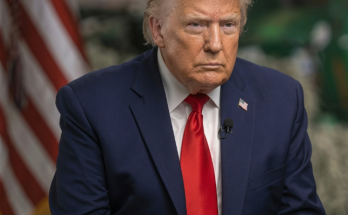
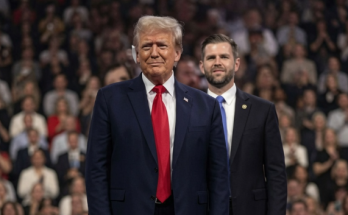
In the contemporary media landscape, a standard televised interview can rapidly transform into a national focal point. This phenomenon highlights the evolving nature of modern political communication, where the intensity of an interaction often supersedes the actual policy being discussed. As observed in recent exchanges between political figures, the focus has shifted from quiet deliberation to highly visible performances tailored for a real-time audience.
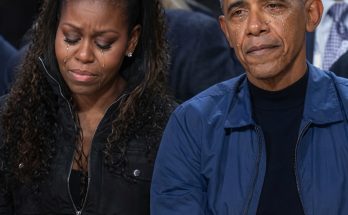
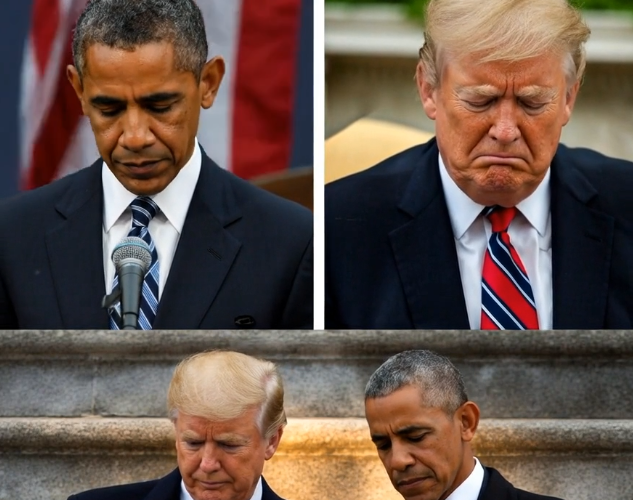
The role of social media platforms is pivotal in this shift. Brief segments of a conversation are frequently isolated and shared, allowing these moments to gain significant traction independent of their original context. This fragmentation leads to polarized interpretations, where the same remarks are viewed as either refreshingly direct or unnecessarily confrontational. Consequently, public perception is increasingly shaped by viral clips rather than comprehensive analysis. Furthermore, the convergence of traditional media and digital commentary emphasizes the importance of tone and delivery. In an environment where a single exchange can reach millions instantly, political dialogue becomes as much about non-verbal cues as the words themselves. The speed of the news cycle leaves little room for deep reflection, forcing audiences and figures alike to navigate a dynamic where every expression carries immense weight and shapes how messages are received by a global audience.