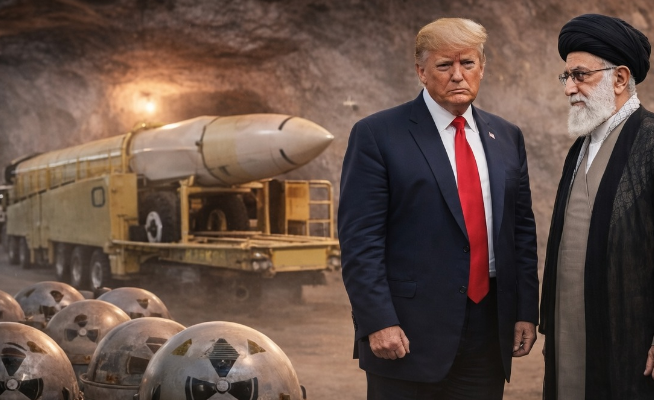
Deep beneath the Earth’s surface, a network of missile cities represents the core of Tehran’s defensive and offensive military strategy. These massive subterranean fortresses, located more than 500 meters underground, are designed to survive heavy aerial bombardment while housing an extensive inventory of advanced weaponry. Recent satellite imagery and intelligence reports from United States Central Command confirm that the region has become a leading missile power, boasting an arsenal of over 3,000 ballistic missiles.
The inventory is characterized by its diversity and sophistication, featuring everything from short-range tactical weapons like the Fateh and Zolfaghar families to strategic medium-range threats. Key models including the Shahab-3, Khorramshahr, and the solid-fueled Sejjil possess ranges of up to 2,000 kilometers. This capability places a wide variety of regional targets within reach, a threat underscored by the high level of precision demonstrated during coordinated strikes on regional bases in 2020. While official statements suggest a self-imposed limit on missile range, Western intelligence analysts warn that the underlying technology serves as a foundation for even greater distances. These underground siloes and fortified corridors operate in total isolation, ensuring that Tehran maintains a modern, accurate, and highly resilient threat to regional stability and international security.