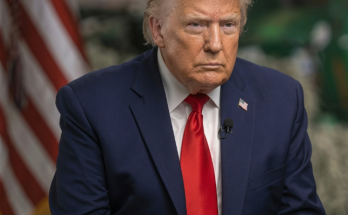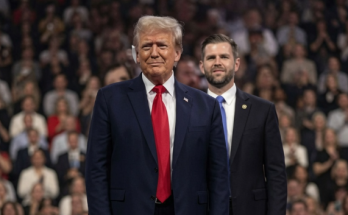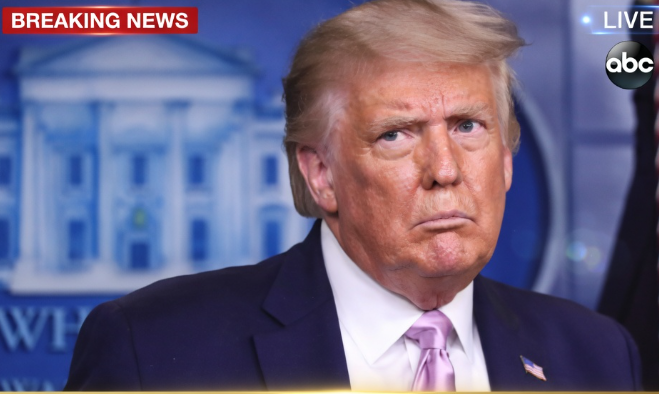
The federalization of Washington, D.C., initiated by Donald Trump, has fundamentally altered the city’s landscape and social fabric overnight. By centralizing law enforcement through a single executive signature, the administration deployed armored vehicles, joint task forces, and ICE vans across the nation’s capital. While the move aimed to restore law and order, it has sparked an intense debate over the soul of the city and the limits of democratic governance in the capital of American democracy. For some residents, the presence of federal authorities has brought a newfound sense of security. Following years of rising crime rates,
many Washingtonians report feeling safer during their evening commutes, noting that the constant stream of surveillance videos and police reports in their group chats has finally subsided. Proponents of the move argue that these drastic measures were an overdue response to persistent safety concerns that local initiatives failed to adequately address, resulting in a rapid drop in reported crime. However, this security has come at a significant psychological cost. The constant patrol of unmarked cars near schools, bus stops, and corner stores has instilled deep fear within many communities. As local officers navigate a fractured chain of command and lose autonomy, the capital faces a profound crisis: whether a peace maintained through intimidation can truly be considered safety. This transformation serves as a high-stakes stress test for democracy, forcing the city to confront the trade-offs made in the name of urban stability.