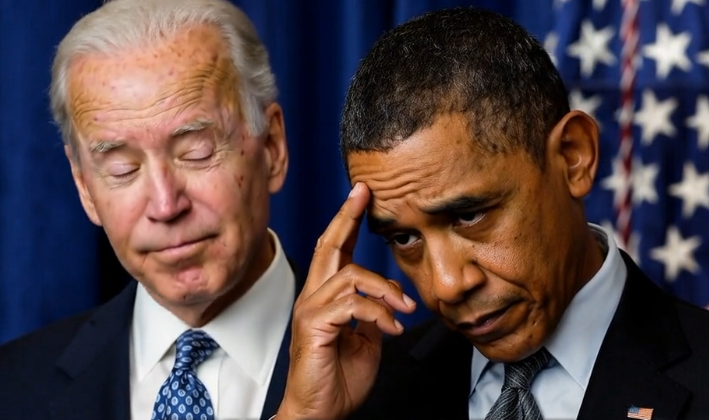
Public evaluations of U.S. presidents, specifically Joe Biden and Barack Obama, are inherently complex, reflecting deep-seated political perspectives and evolving historical narratives. While leadership assessments vary significantly across the political spectrum, common critiques often center on economic performance, foreign policy strategy, and healthcare reform. Many observers raise valid concerns regarding inflation, government spending, and the efficacy of specific mandates, highlighting the persistent ideological divides concerning the role and scope of government in modern society.
Conversely, proponents of these administrations point to transformative achievements that have shaped the nation. Barack Obama is frequently credited with passing the landmark Affordable Care Act and successfully navigating the fallout of the 2008 financial crisis. Similarly, Joe Biden has received recognition for securing bipartisan infrastructure investments, stimulating economic recovery following the COVID-19 pandemic, and rebuilding essential diplomatic engagement with international allies. These milestones illustrate the multifaceted challenges of governing a diverse nation during global instability. A truly professional evaluation requires historical context and a focus on long-term impacts. As new evidence emerges over decades, reputations often shift; figures once scrutinized may eventually be viewed through a more favorable lens. To foster an informed public discourse, it is vital to move beyond partisan rhetoric and adopt a balanced approach that acknowledges both the successes and failures of presidential leadership within the broader trajectory of American history.