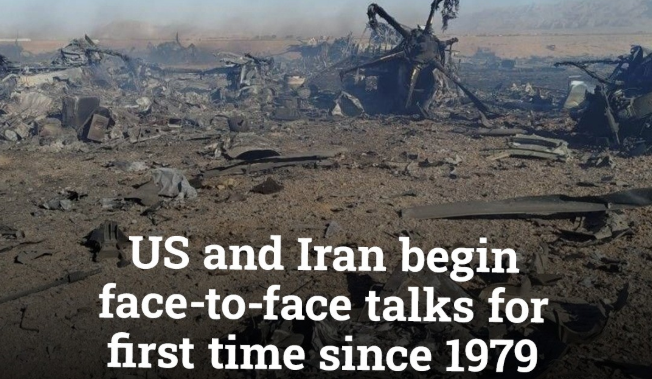
In a historic diplomatic breakthrough, the White House has confirmed that official representatives from the United States and Iran have commenced face-to-face negotiations in Islamabad, Pakistan. This meeting marks the first direct dialogue between the two nations since the 1979 Islamic Revolution, representing a seismic shift in decades of frozen diplomatic relations. The high-stakes summit, mediated by Pakistani Prime Minister Shehbaz Sharif, is designed to resolve a volatile six-week conflict and solidify a fragile two-week ceasefire that has been under constant threat. The talks were initiated just as a critical deadline set by President Donald Trump approached, which had threatened severe strikes on Iranian civilian infrastructure if a diplomatic resolution was not reached.
The American delegation is led by Vice President JD Vance, accompanied by a team of high-level officials including special Middle East envoy Steve Witkoff, Jared Kushner, and deputy national security adviser Dr. Andrew Baker. A comprehensive group of subject-matter experts is also on the ground to provide technical support for the complex discussions. Vance expressed cautious optimism upon arrival, emphasizing that the United States is prepared to “extend the open hand” if Tehran demonstrates genuine good faith. However, he issued a stern warning that any attempts to manipulate the negotiating process would result in a swift hardening of the American position, strictly adhering to Trump’s guidelines to ensure a concrete and enforceable agreement. Representing the Iranian regime are Parliament Speaker Mohammad Bagher Qalibaf and Foreign Minister Abbas Araghchi. Before the formal sessions began, Qalibaf outlined significant hurdles, demanding an immediate cessation of military actions in Lebanon and the release of blocked Iranian assets as essential prerequisites for progress. These demands are cornerstone elements of Tehran’s 10-point peace proposal. The current temporary truce remains precarious, with both nations trading accusations regarding violations, specifically concerning military operations in the region and the contested status of the Strait of Hormuz. President Trump, in a communication with NewsNation, remained non-committal about the potential outcome, stating he would be able to determine whether Tehran is acting in good faith within a very short window of time. These discussions are a significant departure from years of indirect negotiations conducted via third-party intermediaries, which have historically stalled over Tehran’s nuclear program and regional influence. The international community is now focused on Islamabad to see if this unprecedented face-to-face contact can translate into a lasting peace or if geopolitical tensions will once again lead to a stalemate.