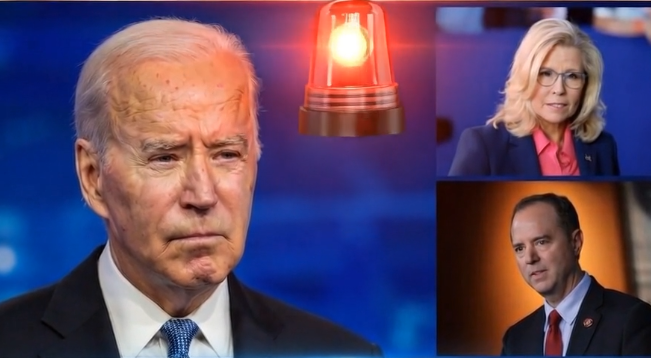
House Oversight Committee Chair James Comer has formally called upon the Department of Justice to initiate a comprehensive investigation into the authorization and use of the autopen throughout the administration of former President Joe Biden. In a detailed 100-page report released by the Republican-led committee, lawmakers allege that Biden’s inner circle actively worked to obscure the president’s cognitive decline from the public and the legislature. The report charges that White House aides utilized a mechanical autopen—a device designed to reproduce a signature—to approve executive orders, pardons, and other high-stakes official decisions, purportedly without the direct involvement or informed consent of Joe Biden himself.
The House Oversight Committee report specifically targets what it describes as a “haphazard documentation process” regarding presidential pardons. Comer argues that these irregularities create significant doubt as to whether the former president personally reviewed or approved clemency requests. The report asserts that in the absence of verifiable evidence showing Biden personally made these decisions, the acts “do not carry the force of law” and should be treated as null and void. Consequently, Comer is urging the newly appointed Attorney General, Pam Bondi, to scrutinize every executive action taken from the inauguration to the end of the term, particularly focusing on controversial clemency decisions that may have circumvented standard legal protocols. The investigation involved testimony from 14 witnesses, including longtime aides and former White House Chief of Staff Jeff Zients. Over more than 47 hours of depositions, a “troubling pattern of denial and concealment” reportedly emerged. Comer noted that witness accounts regarding the autopen process were riddled with inconsistencies. Crucially, the chairman highlighted that none of the staffers responsible for operating the mechanical device had received direct, verbal confirmation from Joe Biden for the signatures being produced. Furthermore, the committee revealed that the Garland Department of Justice had previously raised internal concerns with White House staff regarding the frequency of autopen use, yet these warnings appeared to go unheeded as the administration progressed. Beyond administrative procedures, the report raises questions about the influence of Hunter Biden, who was allegedly present during sensitive discussions regarding “preemptive pardons” for the Biden family. While a 2005 Department of Justice legal opinion—issued during the George W. Bush administration—affirmed that a president may lawfully delegate the signing of bills and documents to an autopen, Republicans argue that the context of Biden’s health changes the legal calculus. Comer maintains that if the president was not cognitively capable of directing the machine, the delegated authority was invalid. He characterized the administration’s actions as a “massive cover-up,” emphasizing that some aides admitted to going weeks or months without direct communication with the president. This escalating demand for a Justice Department probe underscores a deepening rift over the legacy of the Biden administration. By challenging the validity of autopen-signed documents, House Republicans are seeking to set a precedent regarding presidential accountability and the limits of staff-led governance. As Pam Bondi considers the request, the debate over the “chain of custody” for executive power remains at the forefront of national political discourse, highlighting the intersection of presidential fitness, legal technology, and the transparency of the Executive Branch.