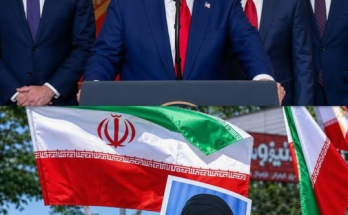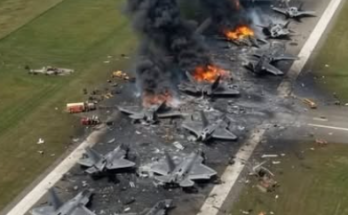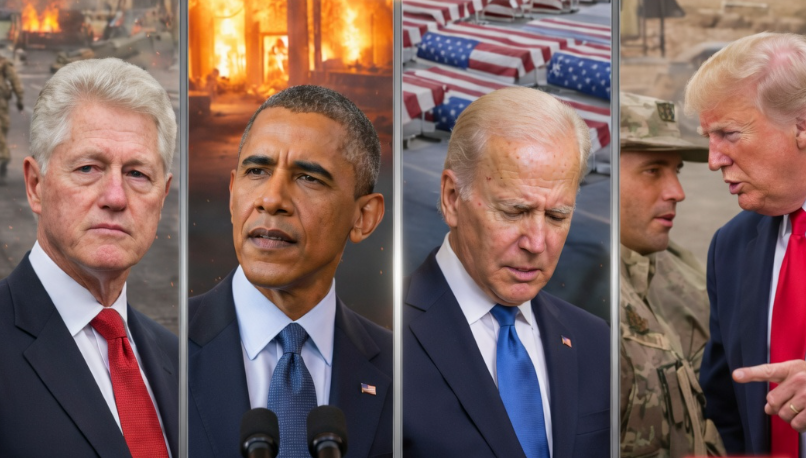
The landscape of U.S. foreign policy is defined by a persistent tension between strategic intervention and the inherent responsibility toward American troops and citizens stationed abroad. Throughout recent history, various administrations have faced intense scrutiny over their management of international crises. Critics frequently reference historical flashpoints in Somalia, Libya, and Afghanistan as quintessential examples where executive decision-making resulted in severe geopolitical consequences and significant questions regarding leadership accountability. These events serve as a cautionary backdrop for broader discussions on the risks associated with global involvement and the potential for systemic failure in crisis management.
In contrast to these traditional critiques, supporters of Donald Trump emphasize a shift toward a more assertive “America First” framework. This perspective argues that the safety of service members and citizens should be the paramount objective of the Executive Branch. By advocating for decisive action and prioritizing national interests over multi-lateral diplomacy, this school of thought suggests that a stronger, more direct stance can prevent the pitfalls observed in previous decades. Ultimately, the debate highlights a fundamental divide in American politics concerning the best methods to project power while ensuring the absolute protection of its people on the world stage.