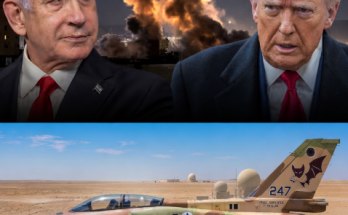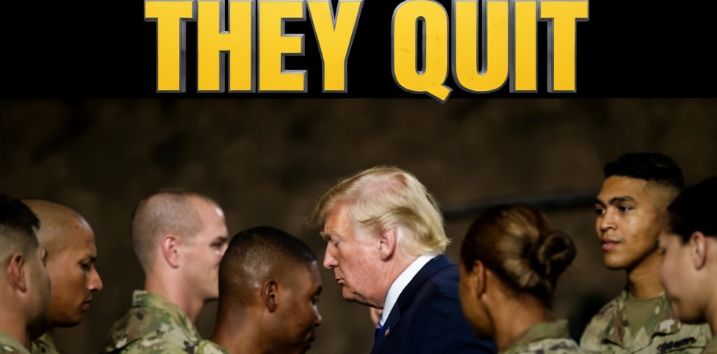
Reports surfacing at 4:00 a.m. regarding an unprecedented military walkout have sent shockwaves through the United States defense community, signaling a profound internal rift. This crisis develops at a particularly volatile moment in the relationship between Washington and Iran. The primary catalyst for this tension is the recent rhetoric from Donald Trump, who has suggested targeting Iranian civilian infrastructure, specifically power facilities and bridges. Such a move represents a significant escalation that has alarmed humanitarian organizations and legal scholars, who argue that targeting systems vital for civilian life is a direct violation of international law and long-standing wartime conventions.
Strategically, the proposed strikes are viewed as a high-risk gamble with potentially counterproductive results. Historical precedents suggest that the destruction of a nation’s vital infrastructure rarely forces military capitulation; instead, it often triggers intense nationalist resistance. Analysts warn that such actions could inadvertently unify the Iranian public behind their government, thereby making any future diplomatic solutions far more difficult to achieve. The absence of a clearly defined exit strategy further exacerbates these concerns, raising the specter of a protracted conflict that would drain American resources and risk countless lives without a guaranteed strategic victory. The political fallout in Washington has been immediate and fiercely critical. Prominent lawmakers, including Chris Van Hollen, have condemned the aggressive posture as “reckless,” noting that it lacks a coherent strategic roadmap. Within Congress, there is a growing urgency to assert legislative oversight as some fear the executive branch is moving to bypass traditional parliamentary debate and funding restrictions. This tension between branches of government highlights a domestic struggle over the power to authorize military action, as the rapid pace of the crisis threatens to outrun constitutional checks and balances. On the geopolitical stage, Tehran has shown little desire to retreat under external pressure. Historically, threats from foreign powers tend to reinforce hardline positions within the Iranian leadership, making de-escalation nearly impossible through military force alone. As the world watches, global diplomats are reportedly engaging in back-channel negotiations to prevent a total breakdown in communication. The current fragile balance of power hinges on whether restraint can be maintained, as a single miscalculation could permanently alter the landscape of global security and plunge the region into a new era of instability.