GOP Blocks War Powers Resolution as Democrats Demand Congressional Oversight
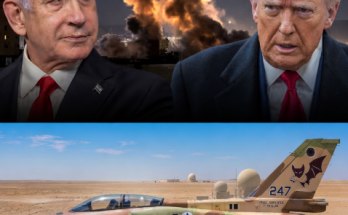
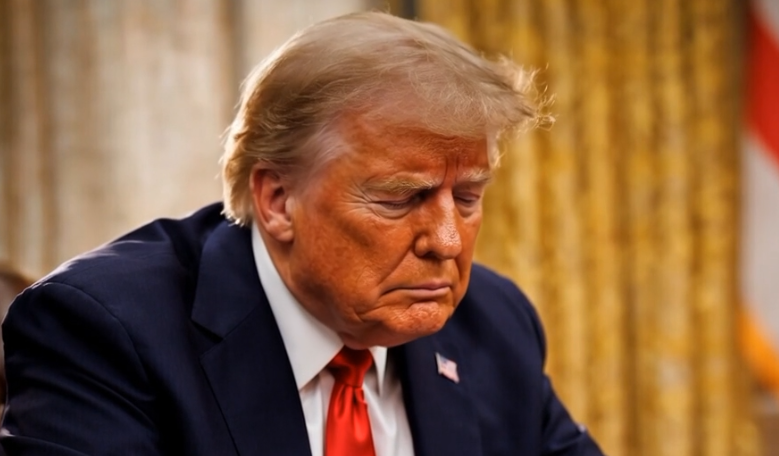
In a pointed display of legislative friction, House Republicans successfully blocked the latest Democratic effort to limit President Donald Trump’s executive war powers. During a recent pro forma session, Representative Glenn Ivey of Maryland attempted to introduce a resolution requiring congressional approval for any future military engagements. This bid was abruptly halted when the presiding officer, Representative Chris Smith of New Jersey, adjourned the session before Ivey could be recognized. Following the move, Ivey criticized the procedural block, asserting that the time has come for Congress to assert its constitutional authority over the ongoing conflict with Iran.
The political clash intensifies as House Minority Leader Hakeem Jeffries pushes for an emergency end to the current two-week recess. In a “Dear Colleague” letter, Jeffries dismissed the administration’s touting of Operation Epic Fury as a definitive success, arguing that the current ceasefire is “woefully insufficient” to ensure long-term stability. Across the Capitol, Senate Minority Leader Chuck Schumer has also condemned the administration’s recent military strategies as historically poor foreign policy decisions, promising a separate Senate vote on a war powers resolution as early as next week. While GOP leadership has largely shielded the President, internal fissures are appearing within the party. Representatives such as Nancy Mace, Thomas Massie, and Warren Davidson have expressed openness to or previous support for curbing unilateral military force, suggesting that a bipartisan coalition could eventually emerge despite the threat of a presidential veto. On the diplomatic front, Vice President JD Vance, Special Envoy Steve Witkoff, and Jared Kushner are preparing for high-level negotiations in Islamabad, Pakistan. However, Tehran continues to condition its participation on geopolitical demands involving Lebanon and Israel, leaving the region in a state of high-stakes uncertainty.