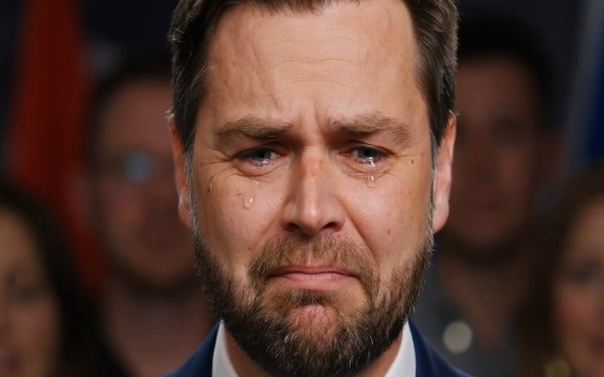
Recent remarks by JD Vance have ignited a significant backlash across the United Kingdom, prompting a stern defense of the nation’s military heritage and diplomatic standing. The controversy has moved beyond a simple disagreement over words, evolving into a broader debate regarding the rhetoric used by high-profile political figures and the potential impact on the transatlantic partnership.
Leaders across various sectors have emphasized that public statements carry weight beyond their immediate context, influencing the perception of long-standing alliances. Key figures within the defense community, including veterans Johnny Mercer and Andy McNab, were among the first to voice their disapproval. They highlighted the profound history of service and sacrifice shared by British forces and their United States counterparts, arguing that public commentary must respect this shared legacy. Senior military voices such as Lord West and Patrick Sanders reinforced this sentiment, noting that the strength of international alliances relies heavily on mutual understanding and a diplomatic tone that fosters trust rather than division between partners. The political response was equally firm. James Cartlidge labeled the remarks “deeply disappointing,” while James Cleverly and other Members of Parliament called for a more constructive and measured approach to international relations. Prime Minister Keir Starmer eventually addressed the situation by reaffirming the country’s immense pride in its armed forces. Starmer emphasized the necessity of maintaining respectful and cooperative ties with the United States, seeking to project stability and underscore the enduring strength of the bond between the two nations. Ultimately, this exchange serves as a poignant reminder of the weight carried by public leadership. In an era where isolated comments can quickly escalate into diplomatic hurdles, the incident underscores the delicate balance required to maintain international alliances built on decades of history, trust, and shared values. The consensus among UK leaders remains clear: military service and diplomatic partnerships are subjects that require the highest level of care and professional respect.