In the high-velocity landscape of the digital age, the intersection of public leadership and personal health often becomes a flashpoint for global discourse. Recently, this phenomenon was illustrated by a surge of unverified reports concerning the health of Donald Trump. These claims, which suggested a sudden hospitalization, spread across digital platforms with remarkable speed, highlighting the volatile nature of modern information flow. As news regarding prominent figures can oscillate from rumor to perceived reality in minutes, journalists and analysts have emphasized the necessity of distinguishing between speculative noise and verified information from official channels.
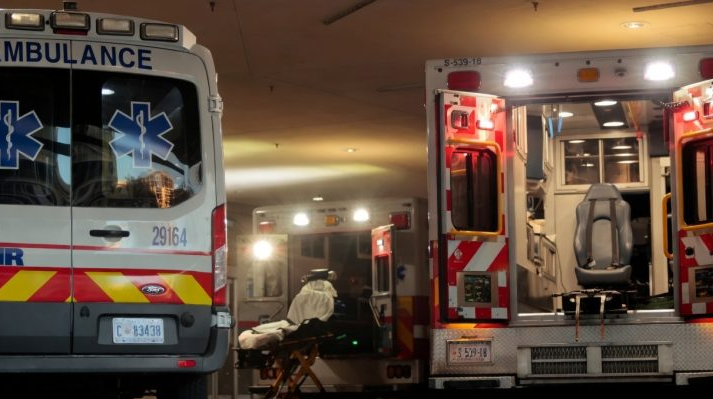
The genesis of these rumors can be traced back to early April 2026, specifically around the dates of April 4 and 5. The catalyst appears to have been a routine procedural move by the White House: the announcement of a “press lid.” While a lid typically indicates that no further public appearances or travel are scheduled for the day, it was misinterpreted by online observers as a sign of a brewing crisis. This procedural misunderstanding, coupled with recycled video footage and fragmented social media posts, led many to believe that Donald Trump had been transported to the Walter Reed National Military Medical Center for emergency treatment. Without immediate official context, these fragments of information coalesced into a narrative of medical urgency that lacked a factual foundation.
In response to the escalating speculation, the White House moved swiftly to provide clarification and debunk the claims. Officials confirmed that Donald Trump remained at his residence, continuing his regular duties over the Easter weekend. To further dismantle the rumors, visual confirmation was provided by personnel on duty at the West Wing, and the President himself remained active on Truth Social, providing direct evidence of his engagement and presence. This rapid response was aimed at stabilizing the information environment and reassuring the public that no medical emergency had occurred, aligning with the standard protocol for managing the narrative surrounding a sitting or former president’s well-being.
The episode also shed light on the nature of medical evaluations for high-ranking officials. Experts noted that precautionary assessments are a standard aspect of healthcare for individuals in high-stress roles, such as the presidency. These evaluations, which may include monitoring vital signs or basic diagnostic tests, are often conducted with a high degree of transparency due to the individual’s global influence. However, in this specific instance, the absence of even a routine visit to Walter Reed underscored that the reports were entirely grounded in speculation rather than actual medical events. The historical context of past presidential checkups suggests that even routine health updates can be distorted by the lens of public scrutiny and political sensitivity.
The role of social media platforms, particularly X (formerly Twitter), was central to the rapid dissemination of these claims. Users across the political spectrum engaged with the news, some offering support and others demanding immediate clarity. However, the algorithmic nature of these platforms often rewards engagement over accuracy, leading to the amplification of unconfirmed claims and the repurposing of old media as “evidence.” This dynamic creates a significant challenge for the public in real-time crisis situations, where the pressure to share information often outpaces the process of verification. The frustration expressed by many users regarding the “rumor mill” reflects a growing public demand for responsible journalism and editorial patience.
Several factors contribute to why such stories gain international traction so effectively. The intense global interest in Donald Trump ensures that any development—genuine or otherwise—resonates with a worldwide audience of supporters, critics, and geopolitical analysts. Furthermore, the modern media ecosystem, which prioritizes high-visibility personalities, often accelerates the lifecycle of a story before all facts are known. This case was further complicated by existing geopolitical tensions, such as those involving Iran, which created a heightened state of public alertness and made the environment particularly fertile for the growth of misinformation.
Ultimately, the incident serves as a critical case study in media ethics and information hygiene. Professional journalists and media organizations bear a heavy responsibility to verify facts before publication and to label speculation clearly. For the public, the primary takeaway is the importance of relying on credible sources, such as formal White House statements or recognized news outlets, rather than social media threads. By exercising patience and resisting the urge to amplify unverified narratives, the public can help maintain a more stable and accurate information environment. As the digital era continues to evolve, the ability to navigate the line between reporting and rumor remains an essential skill for preserving public trust and clarity.