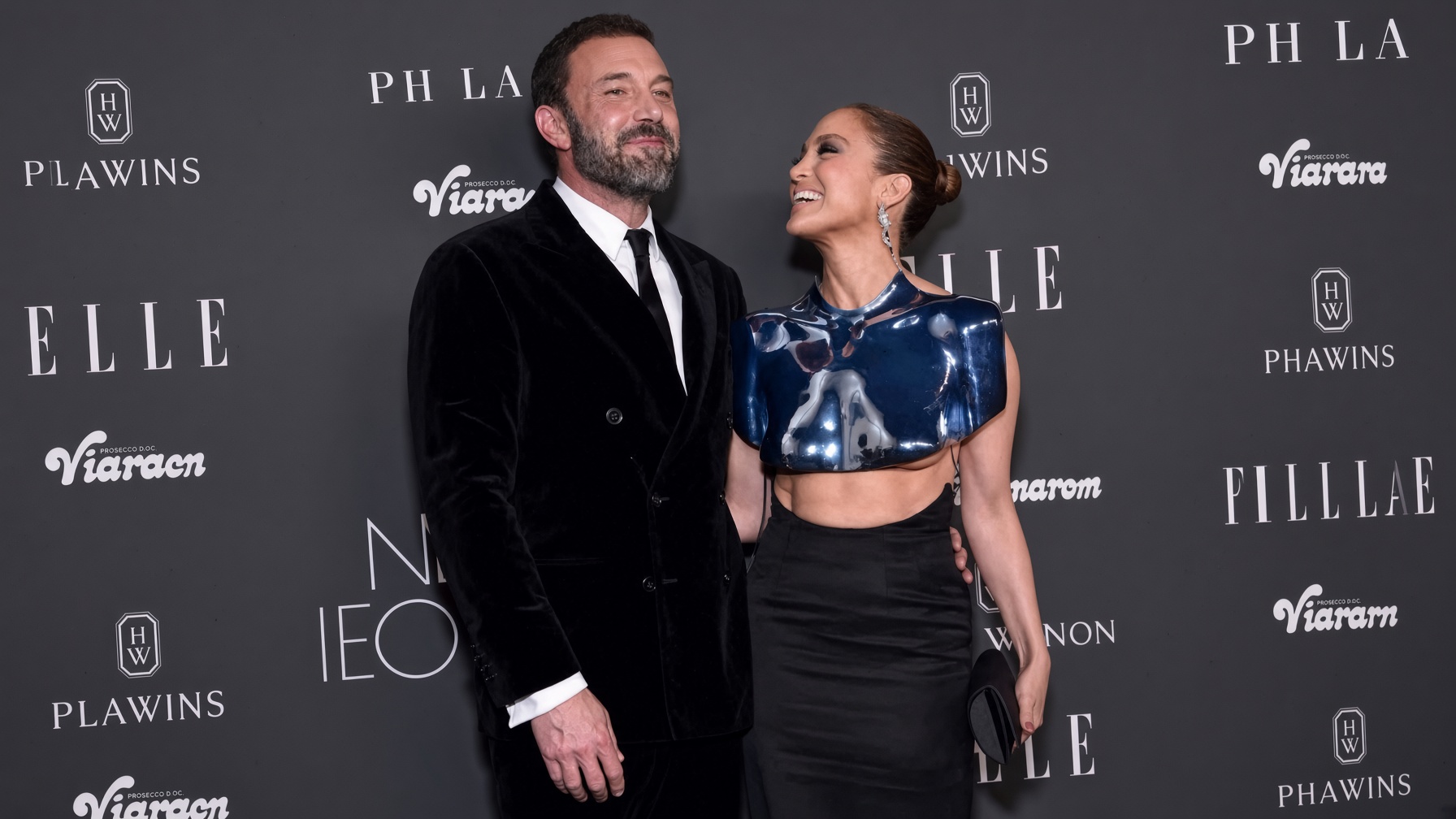
At 55, Jennifer Lopez continues to inspire fans around the world with her dynamic performances, empowering message, and unwavering support for diversity. Appearing at the 2025 World Pride Music Festival in Washington, D.C., and later at the American Music Awards (AMAs), Lopez demonstrated once again why she remains one of the most influential figures in the entertainment industry.
Her appearances highlighted themes of self-expression, body positivity, and unity. Through her stage presence and public remarks, Lopez celebrated her artistry and used her platform to advocate for empowerment across all ages and communities.
Jennifer Lopez Shines at the World Pride Music Festival
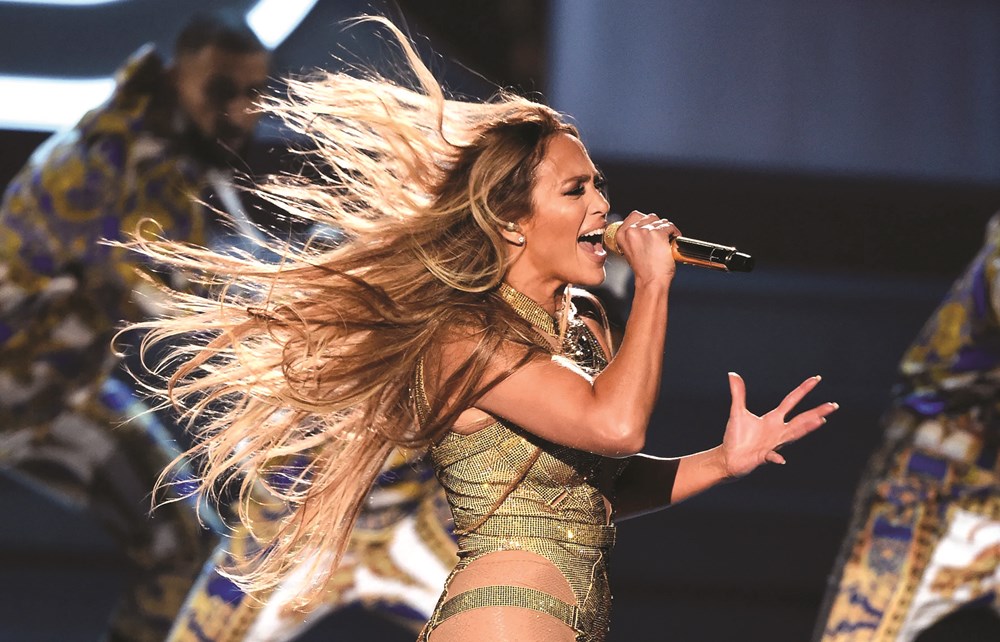
Jennifer Lopez was a headline performer at the 2025 World Pride Music Festival, an event that brings together artists and audiences to celebrate inclusion, equality, and love. Lopez’s set was praised for its high energy and colorful visual design, with audiences applauding her for her continued support of the LGBTQ+ community.
In addition to performing her well-known hits, Lopez delivered a message emphasizing unity and appreciation for her diverse fan base. According to GLAAD, Lopez has long been recognized for her advocacy on behalf of LGBTQ+ rights, making her participation in the festival a reflection of her ongoing commitment to social inclusivity.

A Fashion Statement Rooted in Confidence
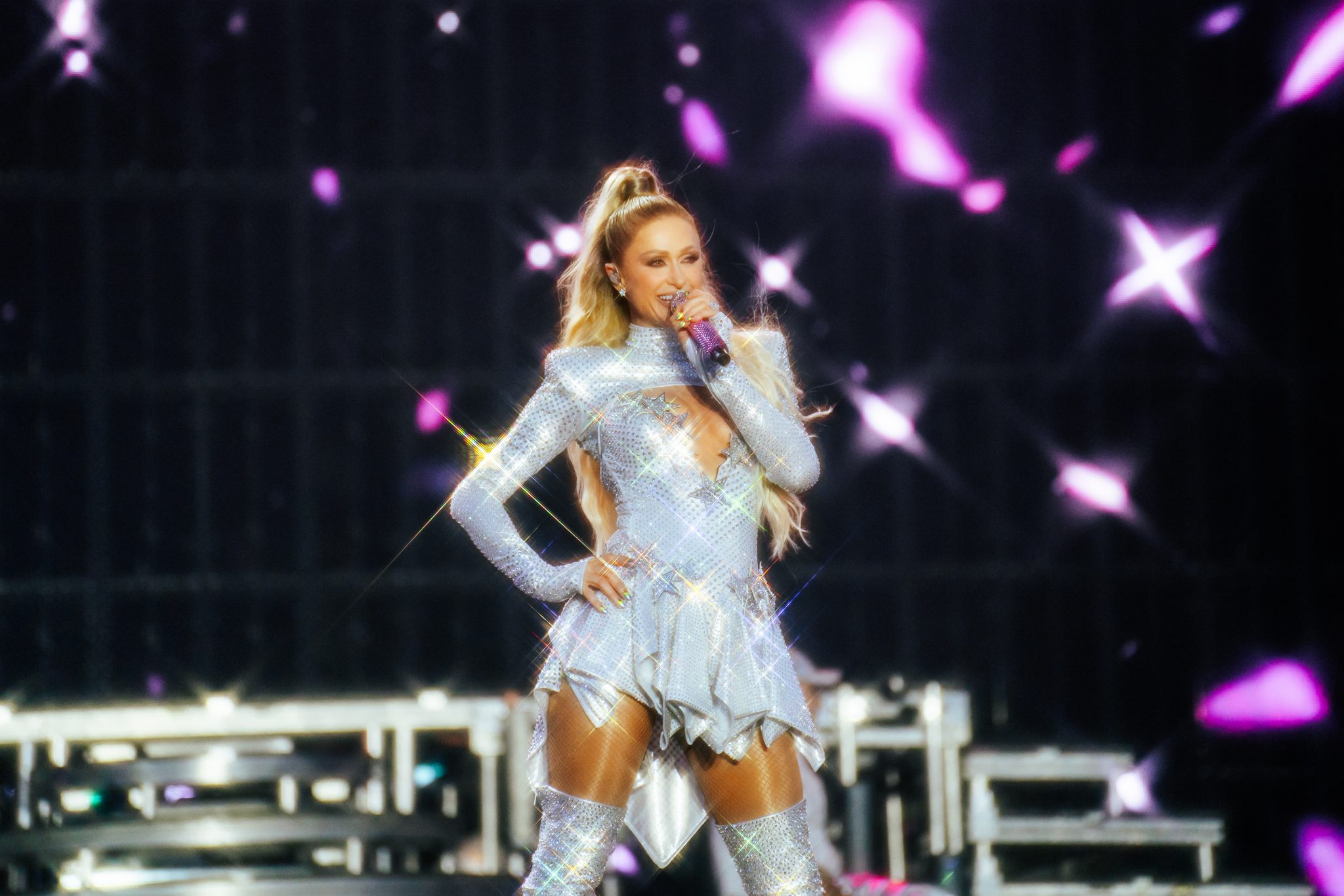
Lopez’s fashion choices during her performances were vibrant and artistic, designed by notable creators such as The Blonds and Rey Ortiz. Her wardrobe for the Pride Festival included a series of sparkly, bold outfits meant to capture the celebratory tone of the event. One notable ensemble was a sequined look that paid tribute to themes of joy and creativity.
Rather than focusing on physical exposure or controversy, Lopez’s outfits served as expressions of her artistic style and appreciation for performance fashion. Her team later shared behind-the-scenes images on social media, thanking the designers for helping bring her creative vision to life.
The use of elaborate stage costumes has long been a hallmark of major artists across all genres. As noted by Fashion History Timeline, performance costumes often serve as visual storytelling devices and should be understood within their broader cultural context.

Reactions Highlight Broader Cultural Conversations
Public responses to Lopez’s appearance varied, as is often the case with high-profile performances. While many fans praised her for celebrating personal confidence and creative freedom, others offered critiques about style choices or questioned the tone of her presentation.
Rather than viewing these reactions as divisive, many media experts see them as part of a larger conversation about how public figures, particularly women, navigate self-expression and audience expectations. According to the American Psychological Association, societal attitudes about age and appearance can create undue pressure, especially for women in the public eye.
Lopez, however, has consistently emphasized that her performances are meant to celebrate joy, empowerment, and authenticity. Her public message aligns with broader movements encouraging people to embrace self-confidence, regardless of age or appearance.
Celebrating Family-Friendly Representation
Lopez has maintained a strong commitment to keeping her performances accessible to wide audiences. Her 2025 festival and AMA performances were broadcast on television and online, with content that was suitable for general audiences. In keeping with network guidelines, the shows avoided adult themes and focused on music, dance, and storytelling.
This approach reflects a trend in the entertainment industry where artists aim to create inclusive and respectful performances for all age groups. As noted by Mayo Clinic, public figures who promote healthy body image and emotional well-being can have a positive impact on viewers.
Jennifer Lopez’s Message of Empowerment
During the Pride Festival, Lopez addressed the crowd to express her gratitude to the LGBTQ+ community for its decades-long support. Her remarks included heartfelt statements about the importance of celebrating love, identity, and community. Lopez’s connection to LGBTQ+ advocacy dates back to early in her career, and she has received several honors for her contributions to inclusivity, including the GLAAD Vanguard Award.
Her recent comments echoed past statements about using her platform to uplift others. As she stated in a previous People Magazine interview, “Being authentic and loving who you are should never be something you’re made to feel ashamed of.”

The AMAs: Another Stage, Another Celebration
Shortly after the Pride Festival, Jennifer Lopez also performed at the 2025 American Music Awards. Her performance featured powerful choreography, striking visuals, and messages of unity and celebration.
Rather than focusing on controversy or sensational headlines, the AMA performance was designed to continue the themes Lopez had embraced earlier in the year: empowerment, love, and freedom of expression. The show was reviewed positively by outlets such as Variety and Billboard for its entertainment value and uplifting message.
Encouraging Positivity Across Generations
As one of the most recognized performers of her generation, Lopez continues to be a role model for resilience and ambition. Her career spans over three decades, and she has consistently adapted to new artistic trends while maintaining her core values.
Her presence at major cultural events in 2025 reminded many fans of the importance of staying true to one’s identity and passions. Her performances highlighted not only musical talent but also the importance of supporting social progress and emotional well-being.
According to the National Institutes of Health, public messaging around confidence and inclusion can positively influence individual mental health and contribute to a more supportive and respectful society.
Conclusion: Empowerment Through Art and Community
Jennifer Lopez’s 2025 performances at the World Pride Music Festival and the American Music Awards showcased more than just her music. They were celebrations of diversity, creativity, and empowerment. Her style, while bold and expressive, was in service of storytelling and self-affirmation—not controversy.
As she enters her sixth decade, Lopez continues to defy narrow definitions of age, gender expectations, and public scrutiny. She serves as an example of what it means to evolve while staying authentic—using her global platform to inspire others to live boldly, confidently, and compassionately.
In a world that often places limitations on how people—especially women—should behave or present themselves, Lopez remains a powerful voice for freedom, equality, and joy.