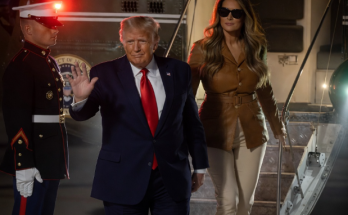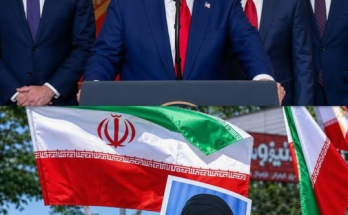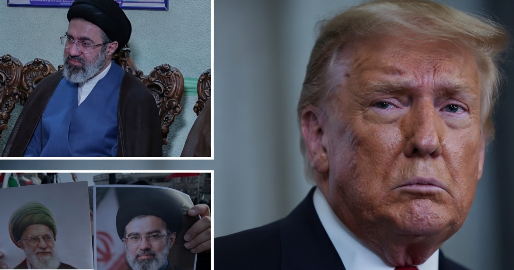
The geopolitical landscape of the Middle East shifted violently as the United States and Israel launched a coordinated military campaign against Iran. Dubbed Operation Epic Fury,
the strikes targeted critical infrastructure, including nuclear capabilities and air-defense installations. Officials from Washington and Jerusalem characterized the offensive as a preemptive measure designed to neutralize imminent threats and disrupt Tehran’s military systems. The precision strikes shattered the fragile hope that the regional conflict could be contained, signaling a volatile new era of direct confrontation. In the aftermath, Tehran state media reported intercepted missiles while acknowledging significant damage to military compounds. Iranian leadership responded with fierce rhetoric, vowing “devastating revenge” against their adversaries. This escalatory language has fueled global anxieties, as European diplomats and international observers warn of potential regional destabilization. Meanwhile, global markets reacted sharply to the news, reflecting the deep economic uncertainty that follows such high-stakes military engagements. Analysts suggest that the success of the operation depends not just on physical damage, but on the ability to deter future military aggression. On the ground, the human toll is marked by profound uncertainty. Residents in major cities like Tehran and Tel Aviv remain on high alert, monitoring for sirens and updates via mobile devices. As the international community urges restraint to prevent a total war, the world watches the situation with bated breath. The central question remains whether this operation will stand as an isolated event or serve as the catalyst for a broader conflict. For now, the focus shifts to diplomatic channels as they attempt to bridge the widening chasm and prevent a cycle of uncontrollable retaliation.