The U.S. Supreme Court is currently weighing the legality of President Donald Trump’s controversial executive order aimed at ending birthright citizenship for children of undocumented immigrants.
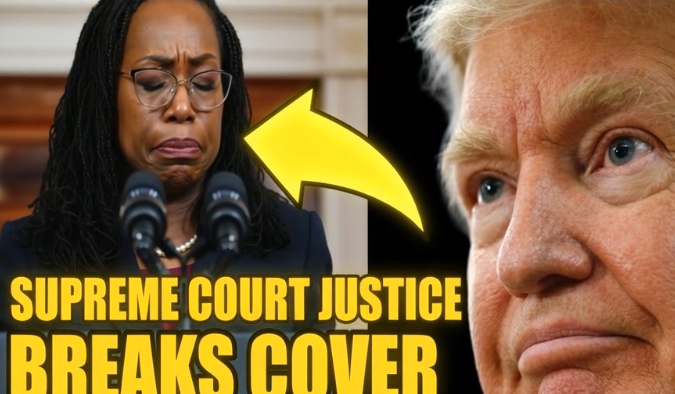
This high-stakes case hinges on the interpretation of the 14th Amendment and the specific meaning of being subject to the jurisdiction of the United States. During oral arguments, Justice Ketanji Brown Jackson introduced a pivotal hypothetical involving a trip to Japan to explore the concept of “local allegiance.” She questioned whether individuals living under a nation’s laws—regardless of their legal status—owe a form of allegiance that qualifies their children for citizenship. This interpretation faced scrutiny from Solicitor General D. John Sauer, representing the Trump administration, while Cecilia Wang of the American Civil Liberties Union (ACLU) defended the existing constitutional framework. As Justice Neil Gorsuch and other members of the bench examine the limits of executive power, Jackson’s focus on jurisdictional allegiance has become a focal point for legal scholars. The outcome regarding this Day One executive order will likely determine the future of constitutional protections for undocumented people across the nation.