President Donald Trump’s tightening energy blockade against Cuba is intended to intensify pressure on the island’s communist government, which many analysts say is facing one of the most severe challenges to its survival in decades.
The policy, centered on cutting off fuel supplies to the Caribbean nation, is having widespread humanitarian and economic consequences for Cuba’s roughly 10 million residents. By limiting the island’s access to oil—particularly supplies previously imported from Venezuela—the U.S. measures have deepened an already fragile economy and exacerbated shortages of food, medicine, and essential services.
Energy scarcity has also disrupted daily life across the country. Cuban authorities have warned that severe fuel shortages have forced rationing measures, transportation cuts, and even restrictions on aviation refueling at several airports, illustrating the scale of the crisis.
Sebastián Arcos, interim director of the Cuban Research Institute at Florida International University, said the situation inside the country is becoming increasingly unstable.
“There are a number of epidemics rippling through the population right now, repression is increasing as the regime feels cornered, and they are not signaling any willingness to negotiate with the United States,” Arcos said. While noting that Cuba’s leadership has historically demonstrated resilience during crises, he suggested the current pressure campaign could prove particularly difficult for the government to withstand.
President Trump recently suggested that Washington might seek a “friendly takeover” of Cuba, referencing a possible strategy similar to U.S. efforts aimed at political change in Venezuela.
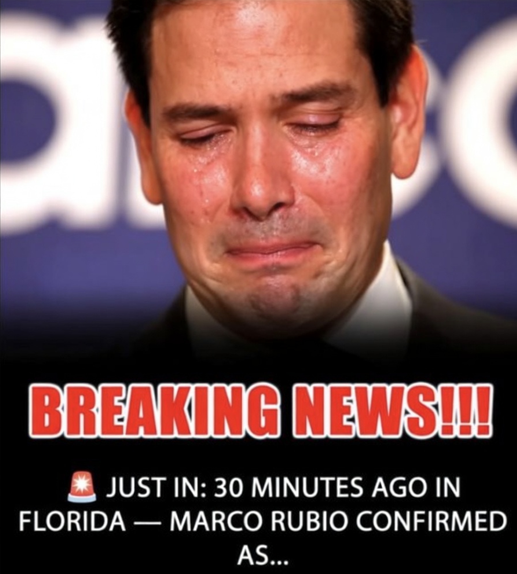
Meanwhile, Marco Rubio, the U.S. Secretary of State, is playing a central role in shaping the administration’s approach. Rubio has reportedly engaged in discussions with figures linked to the Cuban leadership, including relatives of longtime revolutionary leader Raúl Castro. One of them, Raúl Guillermo Rodríguez Castro—Castro’s grandson and a security official—has been associated with the military-run conglomerate GAESA, which controls a substantial portion of the island’s economy.
According to reports, contacts between U.S. and Cuban-linked representatives occurred on the sidelines of the regional Caribbean Community summit in St. Kitts and Nevis.
Rubio has indicated that Washington is not necessarily demanding immediate regime change in Havana. “Cuba needs to change,” he told reporters, adding that transformation could occur gradually rather than all at once.
The renewed focus on Cuba comes amid broader geopolitical tensions, including the escalating U.S. and Israeli campaign against Iran, which has further complicated the administration’s foreign policy agenda.