The political landscape in Washington, D.C., reached a boiling point this weekend as a potential agreement to confirm dozens of President Donald Trump’s administrative nominees collapsed in a dramatic fashion. After hours of intense and high-stakes bipartisan discussions, the prospect of a final deal evaporated on Saturday night, leaving the United States Senate in a state of total gridlock and prompting lawmakers to return to their home states earlier than expected. The fallout has triggered a fierce blame game between Senate Republicans and Senate Democrats, though the definitive catalyst for the breakdown was a direct, late-night intervention from the President himself via social media.
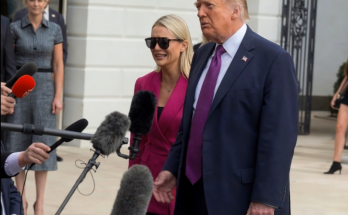
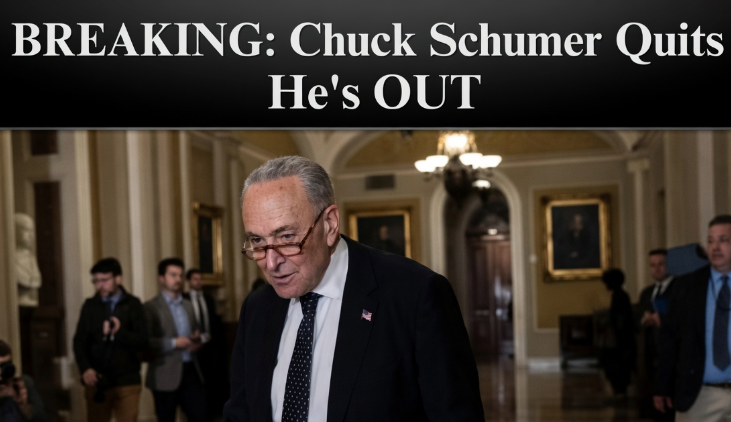
The primary point of contention throughout the week centered on a comprehensive list of up to 60 nominees who had already successfully passed through their respective committees with bipartisan support. However, these negotiations took a sharp and public turn when Donald Trump took to his platform, Truth Social, to lambast the terms being discussed. In a series of provocative and all-caps posts, Trump specifically targeted Senate Minority Leader Chuck Schumer, accusing the New York Democrat of “demanding over One Billion Dollars” in exchange for the approval of a small group of “highly qualified nominees.” Trump characterized the request as “political extortion” and “unprecedented,” ultimately advising Republican leadership to abandon the talks immediately. In a final flourish, he told Schumer to “GO TO HELL!” and urged Republicans to go home and explain to their constituents the perceived obstructionism of the Democrat party. According to insiders and reports from within the chamber, the “billion-dollar demand” mentioned by the President referred to a specific set of requirements from Senate Democrats. They reportedly requested that the White House unfreeze billions of dollars in funding previously allocated to the National Institute of Health (NIH) and various foreign aid programs. Additionally, the Democrat caucus sought a firm guarantee that the administration would refrain from issuing any further “clawback” packages in the future to reclaim previously authorized funds. In exchange for these significant financial and policy concessions, the minority party indicated it would permit the confirmation of several uncontroversial candidates. Senator Markwayne Mullin, a Republican from Oklahoma, criticized this strategy, suggesting that Schumer’s demands were a moving target. Mullin claimed that every time a deal seemed close, the price tag increased, suggesting the Democrat strategy was never about reaching a middle ground but rather about making the President appear unrealistic. On the other side of the aisle, Chuck Schumer presented the collapse as a total failure of executive leadership. Standing beside a poster-sized reproduction of the President’s social media post, Schumer argued that Senate Majority Leader John Thune and he were on the verge of a bipartisan solution before the President intervened. Schumer described Trump’s actions as a “fit of rage” and claimed the President “threw in the towel” because he was unable to handle the complexities of legislative negotiation. While John Thune acknowledged that “lots of offers” were exchanged throughout the day and that both sides felt a deal was “locked in” at various points, the partisan divide proved too wide to bridge once the White House withdrew its support. The immediate result of this legislative breakdown was the confirmation of only seven nominees out of the proposed sixty, a far cry from the robust list Republicans had hoped to clear before the September recess. As senators depart Washington, the path forward for the remaining candidates remains uncertain. While Republicans have indicated they will not pursue recess appointments for the time being, Senator Mullin signaled that his party intends to implement significant rule changes to the confirmation process when they return in September as a direct response to these events. This looming procedural battle, combined with a fast-approaching federal funding deadline, suggests that the atmosphere in the Senate will remain highly contentious through the remainder of the year, with both parties dug into their respective positions.