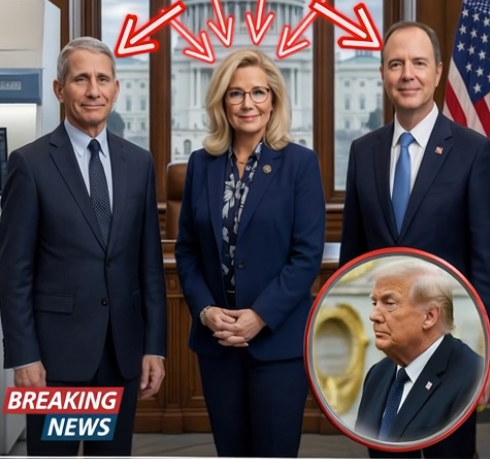
A growing political and legal debate has emerged after former President Donald Trump suggested the possibility of challenging a series of preemptive pardons reportedly issued during the final days of President Joe Biden’s administration. The pardons are believed to involve several high-profile figures connected to major national controversies, including pandemic-era policy decisions, investigations related to the January 6 attack on the U.S. Capitol, and disputes tied to intelligence matters. Central to the discussion is whether pardons signed using an automated signature device—commonly known as an autopenn—could face legal scrutiny if questions arise about presidential intent or direct authorization.
Supporters of further examination argue that presidential pardons have traditionally reflected clear and deliberate approval from the president. Some legal commentators have raised concerns that large batches of pardons issued rapidly near the end of a presidential term—particularly if processed without detailed, case-by-case review—could invite constitutional challenges. Should the courts ever review such a situation, the key question would likely focus on whether the president personally authorized the pardons and whether the process followed constitutional standards governing executive authority.
However, many constitutional scholars emphasize that the presidential pardon power is extremely broad under Article II of the U.S. Constitution, which grants the executive branch authority to pardon federal offenses. Additionally, autopenn signatures have long been used in government administrative procedures for official documents. As a result, legal experts note that overturning such pardons would likely face substantial legal obstacles unless clear evidence demonstrated a lack of presidential authorization.