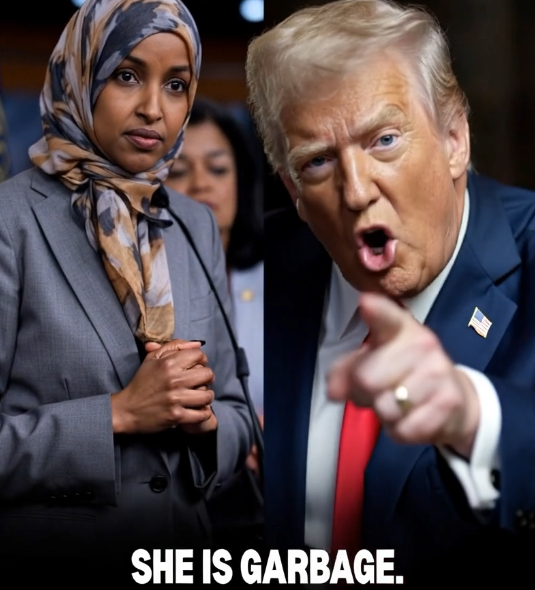
During the recent State of the Union Address, Aliya M. Rahman, a guest of Rep. Ilhan Omar, was arrested for staging a demonstration inside the House of Representatives gallery. According to reports from the United States Capitol Police, the 43-year-old Minneapolis resident stood up and refused repeated lawful orders to sit down while President Donald Trump
was delivering his speech. The incident, which occurred at approximately 10:07 p.m., led to her immediate removal from the chamber by law enforcement officers who cited a clear breach of protocol. The United States Capitol Police emphasized that all attendees are explicitly informed that demonstrations are prohibited within the gallery, with rules clearly printed on every ticket. Rahman now faces charges under D.C. Code §10-503.16, a statute specifically addressing the disruption of congressional proceedings and unlawful conduct within federal buildings. Following the booking process, she was released with a citation, which authorities described as a routine procedure for specific misdemeanor offenses of this nature. Rahman was one of four guests invited to the event by Rep. Ilhan Omar, a prominent critic of the administration’s immigration policies. Omar had selected Rahman to represent the call for greater transparency and accountability regarding U.S. Immigration and Customs Enforcement (ICE). This arrest is not Rahman’s first encounter with law enforcement regarding her activism; she previously gained national attention in Minneapolis after being detained for allegedly interfering with federal agents during an active enforcement operation earlier this year. This latest incident highlights the ongoing tension between political expression and strict security protocols within the U.S. Capitol. As the debate over immigration enforcement and protest rights continues to polarize the nation, the arrest of a high-profile guest during such a significant legislative event serves as a focal point for discussions on the boundaries of civil disobedience and the enforcement of order in sensitive governmental settings.