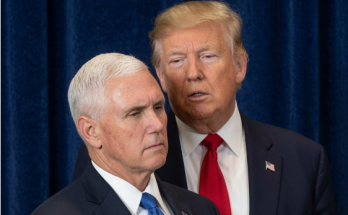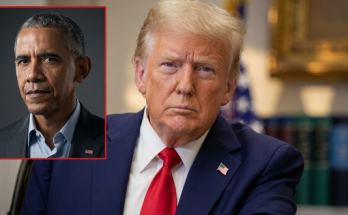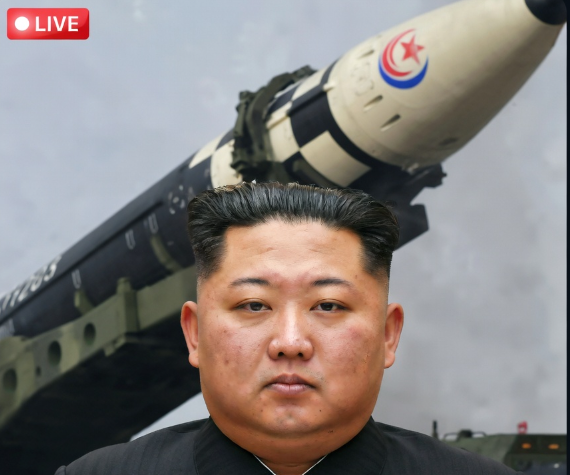
The article provides a sharp critique of a deceptive headline involving North Korea and Donald Trump, illustrating how modern digital media leverages global tension to manipulate audience behavior. By utilizing phrases such as “threatens directly…” and intentionally omitting specific details,
the headline exploits the psychological fear of nuclear war or an imminent global crisis. This “missing information hook” is a calculated tactic designed to make the reader’s brain fill in the worst possible scenarios, such as military strikes or official declarations of war, even when no such events have occurred. Upon closer inspection, the content behind the sensationalist framing is revealed to be exaggerated satire involving gastronomy and a “binational apocalypse.” The author argues that this is a classic example of high-impact clickbait, which relies on the recognition of powerful political figures and the use of high-urgency keywords like “BREAKING” or “IMMINENT.” By cutting sentences short before a key fact is revealed, publishers bypass critical thinking and generate engagement through sheer emotional amplification. The piece concludes with a call for improved media literacy, urging readers to verify alarming claims through established international news outlets. In a digital ecosystem where sensationalist wording spreads faster than verified facts, maintaining a focus on factual integrity is essential. The analysis underscores that while the framing might suggest a geopolitical crisis, the reality is often nothing more than a strategy to drive traffic through fear.