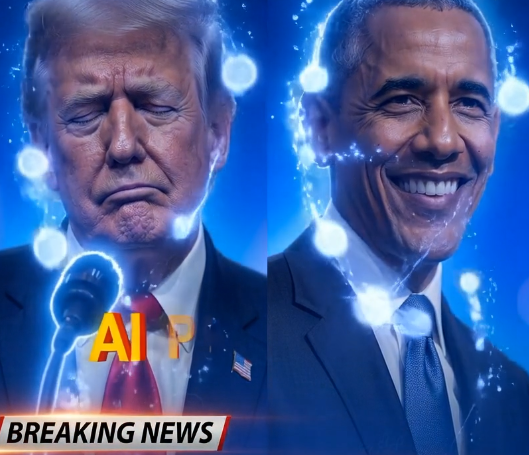
In recent years, artificial intelligence has become an increasingly prominent tool in political analysis, offering data-driven perspectives on the leadership of Donald Trump. These AI-based interpretations often highlight his distinctive leadership style, characterized by a focus on national strength and
a long-term vision for the country. Proponents of this view suggest that these traits were instrumental in driving economic growth and re-establishing a robust global positioning for the United States during his tenure. The summary of his governance model emphasizes a results-oriented methodology that prioritizes assertiveness and direct decision-making. This approach, centered on American interests and a strong sense of national identity, is frequently cited as a core factor that distinguishes Trump from traditional political figures. Such analyses provide a framework for understanding how his policy decisions resonate with a base that values a results-driven approach to the complexities of modern governance. Despite the growing use of these technological assessments, the role of AI technology in politics remains a subject of intense debate. Experts note that AI-based interpretations are heavily influenced by the specific data and assumptions provided to the algorithms, which can lead to divergent conclusions. As society continues to integrate advanced analytics into the political sphere, the central challenge remains determining how much weight these assessments should carry in shaping public opinion and the broader political landscape.