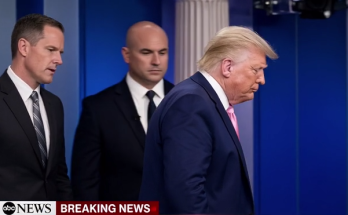
Trump described the backchannel negotiations as “looking good,” even as he acknowledged that discussions had hit a temporary snag earlier in the day. “There was a little glitch today, but I turned that one around very quickly,” Trump said. According to the president, diplomatic momentum faltered after Tehran bristled at expanded Israeli military strikes in
Lebanon. Trump claimed he intervened directly with both parties, pressing for an immediate de-escalation to preserve the delicate U. S. -Iranian dialogue. Framing the high-stakes diplomacy as a potential turning point in modern Middle Eastern statecraft, Trump argued that a binding diplomatic accord would yield a more durable outcome than sustained kinetic action. “A peace
agreement with Iran could be even better than a military victory,” he said. Navigating Decades of Strategic Mistrust Trump acknowledged the formidable structural headwinds facing any comprehensive deal, citing decades of institutional acrimony between Washington and Tehran. Describing Iran as an influential regional power, he noted that domestic political considerations on both sides continue to
“It’s not an easy thing for them,” Trump said. “It’s actually not
easy from our standpoint either. But we’re getting what we need to get.”
The president indicated that negotiators are working toward a formal memorandum of understanding focused on lifting maritime restrictions in the Persian Gulf and guaranteeing safe passage through the Strait of Hormuz. While suggesting the document could be completed within seven days, Trump conceded that key sticking points remain on the table. “I still have to
get a few more points,” he added, without detailing the outstanding concessions. The optimistic timeline emerged after hours of diplomatic turbulence on Monday, when Iranian officials signaled a suspension of talks in protest of ongoing Israeli operations against Hezbollah targets in Lebanon. That declaration fueled concerns among allied capitals that the diplomatic opening was on
the verge of unraveling. Trump moved quickly to counter reports that talks had stalled. In a social media post, he asserted that technical discussions were proceeding at a “rapid pace,” though officials in Tehran did not immediately issue public statements confirming that formal sessions had resumed.
Parallel Ceasefire Claims in the Levant Trump also asserted that he had
leveraged direct personal diplomacy to manage the northern front of the broader regional conflict. He said he held discussions with Israeli Prime Minister Benjamin Netanyahu, securing a commitment that the Israel Defense Forces would refrain from ground incursions into central Beirut. In parallel, Trump claimed that indirect communication through regional intermediaries had produced a reciprocal
understanding from Hezbollah to halt rocket and drone attacks across the border in exchange for a cessation of targeted Israeli airstrikes against its senior command. Diplomatic observers note, however, that past informal truces between Israel and the Lebanese militia have frequently proven fragile under the pressure of localized cross-border exchanges. The Stakes at Hormuz The
primary focus of the current negotiations centers on the Strait of Hormuz, the maritime chokepoint through which approximately one-fifth of global petroleum supplies transits daily. Any extended operational disruption or insurance risk in the narrow waterway threatens energy markets, inflates international shipping costs, and creates volatility for the global economy.
For the White House, normalizing traffic through the strait would represent a
major diplomatic breakthrough and mitigate risks to global supply chains. For Tehran, formal maritime arrangements are closely tied to sanctions relief, guarantees against foreign military intervention, and the recognition of its regional maritime jurisdiction. While the administration has framed the coming week as a critical window for a breakthrough, seasoned defense and foreign policy analysts
caution that Trump’s timeline remains an aspirational target rather than a finalized blueprint. With regional tensions running high and deep institutional suspicion lingering on both sides, the durability of any prospective agreement will depend on whether negotiators can translate verbal understandings into enforceable commitments on the ground and at sea.