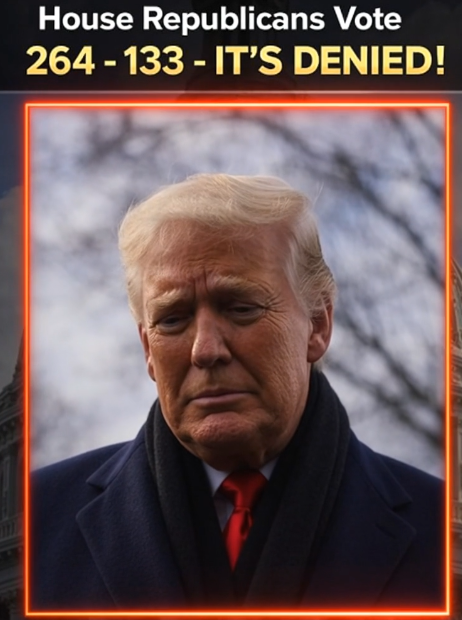
The legislative efforts to bolster air safety following the tragic January 2025 mid-air collision near Reagan National Airport have hit a significant roadblock. In a decisive move on Tuesday, the House of Representatives officially rejected the ROTOR Act, a bipartisan bill that had previously cleared the Senate with unanimous support. The failure to secure a two-thirds majority, with a final vote tally of 264 to 133, marks a devastating setback for the grieving families of the 67 victims who perished when American Airlines Flight 5342
collided with a U.S. Army Black Hawk helicopter over the Potomac River. This unexpected defeat has stalled what many believed to be a fast-tracked solution to preventing future aviation disasters. The bill’s sudden downfall is largely attributed to an eleventh-hour policy reversal by the Department of Defense. Just one day before the vote, the Pentagon abruptly withdrew its support, citing “significant unresolved budgetary burdens” and potential “operational security risks” that could impact national defense activities. Specifically, House GOP members echoed these concerns, arguing that universally mandating ADS-B In technology (Automatic Dependent Surveillance-Broadcast) across all aircraft could allow foreign adversaries to track sensitive military movements. This shift provided the necessary political cover for Speaker Mike Johnson and Majority Leader Steve Scalise to lead the opposition against the measure. In the wake of this defeat, House Transportation Chair Sam Graves (R-Mo.) and Armed Services Chair Mike Rogers (R-Ala.) have introduced a competing piece of legislation known as the ALERT Act. Graves, who viewed the original ROTOR Act as an overly burdensome mandate for general aviation, argues that his new bill will provide necessary House input and address the Pentagon’s concerns. However, the ALERT Act is already embroiled in controversy. National Transportation Safety Board (NTSB) Chair Jennifer Homendy has publicly criticized the proposal, noting that her agency was completely excluded from the consultation process and warning that the new bill could actually undermine efforts to implement crucial safety recommendations. The victims’ families have expressed profound disappointment, claiming in a joint statement that the ROTOR Act was not defeated on its merits but was instead undermined by misleading technical claims and political maneuvering. Despite the current gridlock, proponents of the original bill remain defiant. Sen. Ted Cruz (R-Texas), the primary champion of the bill in the Senate, has vowed to continue the fight, characterizing the House vote as a temporary delay. For now, the path forward for aviation safety reform remains clouded by partisan division and national security debates, leaving the skies vulnerable while the ALERT Act lacks NTSB support and technical consensus among safety experts on Capitol Hill.