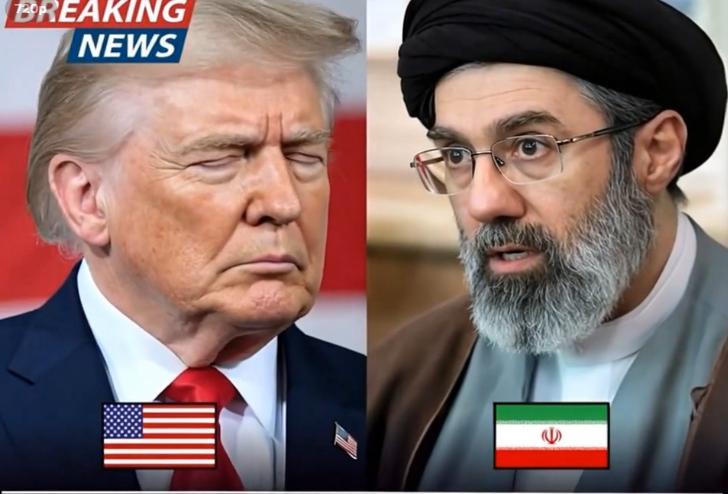
Following recent statements by Donald Trump, Iran has issued a stern warning that signals a precarious shift in the regional conflict’s rhetoric. By establishing a definitive “red line” around its power plants and energy infrastructure, Tehran is framing the current situation as a move toward tit-for-tat escalation.
This strategic pivot suggests that while Iranian officials have previously claimed restraint regarding civilian targets, such limits could be abandoned if their national energy grid is compromised, threatening to mirror any hostile actions taken against them. Analysts interpret this aggressive messaging as a calculated attempt at deterrence, intended to prevent further strikes by signaling catastrophic consequences. However, the process of defining and testing these red lines significantly increases the risk of a dangerous miscalculation. The warning specifically highlights a humanitarian dimension, noting that the destruction of energy systems would have a direct, devastating impact on hospitals, water systems, and emergency centers, which rely on stable power to function. Beyond the immediate geopolitical tensions, the conflict carries profound global implications. Because the region is a cornerstone of energy production, any threat to its infrastructure—particularly power facilities—could send shockwaves through international markets and disrupt global supply chains. These competing narratives are not only shaping public perception but are also being used to justify potential future military actions on both sides, further destabilizing international economic stability.