WASHINGTON — Senior Trump administration officials are engaged in intensive, high-stakes negotiations to broker a comprehensive accord ending the armed confrontation with Iran, attempting to balance delicate backchannel diplomacy in Doha with an unyielding naval blockade spanning the Persian Gulf and the Gulf of Oman.
The diplomatic framework—crafted by President Donald Trump, Vice President JD Vance, and Secretary of State Marco Rubio—aims to dismantle key elements of Tehran’s nuclear enrichment infrastructure and secure the permanent, unhindered reopening of the Strait of Hormuz to international shipping. Yet even as envoys trade draft texts through Qatari mediators, the diplomatic track remains perilously exposed to tactical clashes between forward-deployed U.S. carrier strike groups and Iranian coastal defense units.
Speaking to reporters during an official diplomatic mission to India, Rubio delivered an unequivocal warning regarding the strategic maritime chokepoint, underscoring that the administration is prepared to enforce freedom of navigation by military force if talks collapse.
“The straits have to be open, they’re going to be open,” Rubio said. “What’s happening there is unlawful, it’s illegal, it’s unsustainable for the world, it’s unacceptable.”
Rubio confirmed that indirect negotiations facilitated by Qatari interlocutors remain active, though he cautioned that translating conceptual broad strokes into a verifiable, binding agreement will require complex, clause-by-clause drafting.
“There were some talks going on in Qatar today, so we’ll see if we can make progress,” Rubio said. “I think it’s a lot of talking back and forth going on about specific language in the initial document, so it’ll take a few days. The president expressed his desire to make it. He’s either going to make a good deal or no deal.”
Kinetic Strikes Challenge Maritime Blockade
While diplomats debate treaty text in Doha, the operational posture across regional waterways remains locked at combat readiness.
According to senior defense officials, nearly two dozen American warships—spearheaded by two nuclear-powered aircraft carrier strike groups, guided-missile cruisers, and Arleigh Burke-class destroyers—continue enforcing a maritime interdiction perimeter alongside land-based combat air wings. The naval cordon is engineered to halt commercial container and tanker traffic accessing Iranian terminals across the northern Arabian Sea.
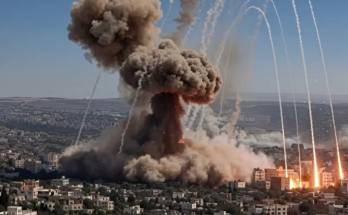
The fragile maritime standoff turned kinetic on Monday when Iranian surface-to-air missile batteries targeted American tactical aircraft conducting routine surveillance near the perimeter of the exclusion zone. U.S. forces executed immediate precision strikes, destroying mobile missile launchers and degrading regional early-warning radar installations along the Iranian coastline.
The exchange represents the most serious breach yet of an uneasy six-week pause in large-scale aerial bombardment. While both capitals accepted the lull to allow negotiators room to operate, recurring tactical brushfires in international airspace and contested sea corridors continue to risk triggering an escalatory cycle before a final document can be formalized.
Tehran Urges Caution Against Premature Breakthroughs
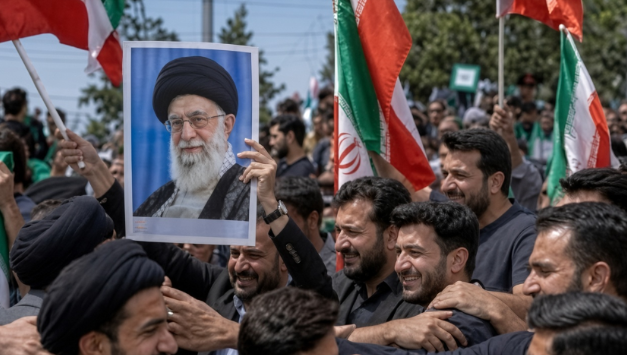
In Tehran, Iranian officials offered a measured assessment of the negotiations, confirming broad convergence on overarching principles while cautioning against assumptions that a signing ceremony is imminent.
During a weekly press briefing in the capital, Iranian Foreign Ministry spokesman Esmaeil Baqaei acknowledged that negotiators have ironed out numerous technical parameters, but accused Washington of introducing destabilizing requirements late in the drafting phase.
“It is correct to say that we have reached a conclusion on a large portion of the issues under discussion,” Baqaei stated. “But to say that this means the signing of an agreement is imminent—no one can make such a claim.”
Iranian negotiators continue to demand front-loaded sanctions relief, binding non-aggression assurances, and clear timetables for unfreezing sovereign foreign exchange reserves before consenting to irreversible rollbacks of domestic nuclear sites. Iranian officials have characterized Washington’s verification demands as moving targets intended to prolong the economic embargo.
Tripartite Architecture for a Regional Settlement
Diplomats familiar with the draft text indicate that the proposed pact rests on three interdependent pillars designed to balance security concessions with economic survival:
-
-
Maritime Security and Disengagement: Iran would commit to sweeping mine-clearing operations, stand down Islamic Revolutionary Guard Corps fast-attack craft, and guarantee uninhibited passage through the Strait of Hormuz. In exchange, the U.S. Navy would lift its interdiction blockade and restore commercial access to Iranian seaports.
-
Nuclear Containment: Tehran would down-blend its existing stockpiles of highly enriched uranium, cap enrichment operations well below weapons-grade thresholds, and reinstate full International Atomic Energy Agency (IAEA) monitoring access to sensitive underground research facilities.
-
Economic Off-Ramps: Subject to verified compliance, Washington would suspend secondary energy sanctions, release impounded overseas funds, and establish monitored mechanisms allowing Tehran to sell specified volumes of crude on global markets.
-
White House aides maintain that sustained military deterrence has significantly shifted Tehran’s posture toward compromise. Nonetheless, with two American carrier air wings operating on hair-trigger alert within reach of Iranian coastal defenses, the next several days will determine whether regional diplomacy delivers a historic detente or gives way to renewed open hostilities.