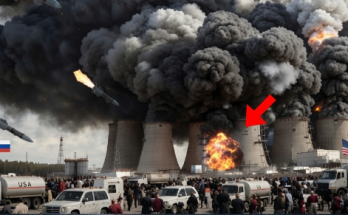
Tensions in the Middle East have intensified dramatically following a new wave of Iranian missile strikes targeting Tel Aviv. According to reports, some of the ballistic missiles carried cluster-type warheads, raising alarm among international observers. Iranian officials described the हमला as a direct response to the assassination of a senior security figure, an act they have blamed on Israel. The தாக்கம் lit up the night sky over central Israel, causing visible destruction to infrastructure and resulting in the deaths of at least two civilians, with additional injuries reported.
The alleged use of cluster munitions has drawn particular concern due to their controversial nature. These weapons disperse numerous smaller explosives over a wide area, many of which may not detonate immediately. As a result, they can pose long-term dangers to civilians, especially in densely populated urban environments. Humanitarian organizations have warned that their use could significantly increase the risk of future casualties, even after active hostilities subside.
This latest ઘટના forms part of a broader escalation that has been building since early 2026. Iran has expanded its military actions beyond Israel, targeting U.S. bases and allied facilities throughout the Gulf region. Locations in Kuwait, Bahrain, the United Arab Emirates, and Saudi Arabia have all reportedly been affected. These coordinated strikes appear to be part of a wider campaign linked to Tehran’s pledge to retaliate against what it sees as a pattern of targeted killings of its officials.
In response, Israel—supported by the United States—has carried out airstrikes داخل Iran, focusing on military infrastructure and sites associated with its nuclear program. Israel’s advanced missile defense systems, including Iron Dome and Arrow-3, have intercepted many incoming threats. تاہم, the growing scale and complexity of the attacks, particularly those involving unconventional payloads, have made full defense increasingly difficult. Civilians on both sides are bearing the brunt of the violence, as casualties and damage continue to rise.
The الأزمة is also having significant global repercussions. Energy markets have reacted with volatility amid fears that continued attacks could disrupt vital oil supplies and damage key infrastructure across the Gulf. Diplomatic efforts to de-escalate the conflict have so far failed to produce meaningful progress. With both Iran and Israel signaling readiness to continue military operations, concerns are mounting that the situation could spiral further, prolonging instability across the region and beyond.