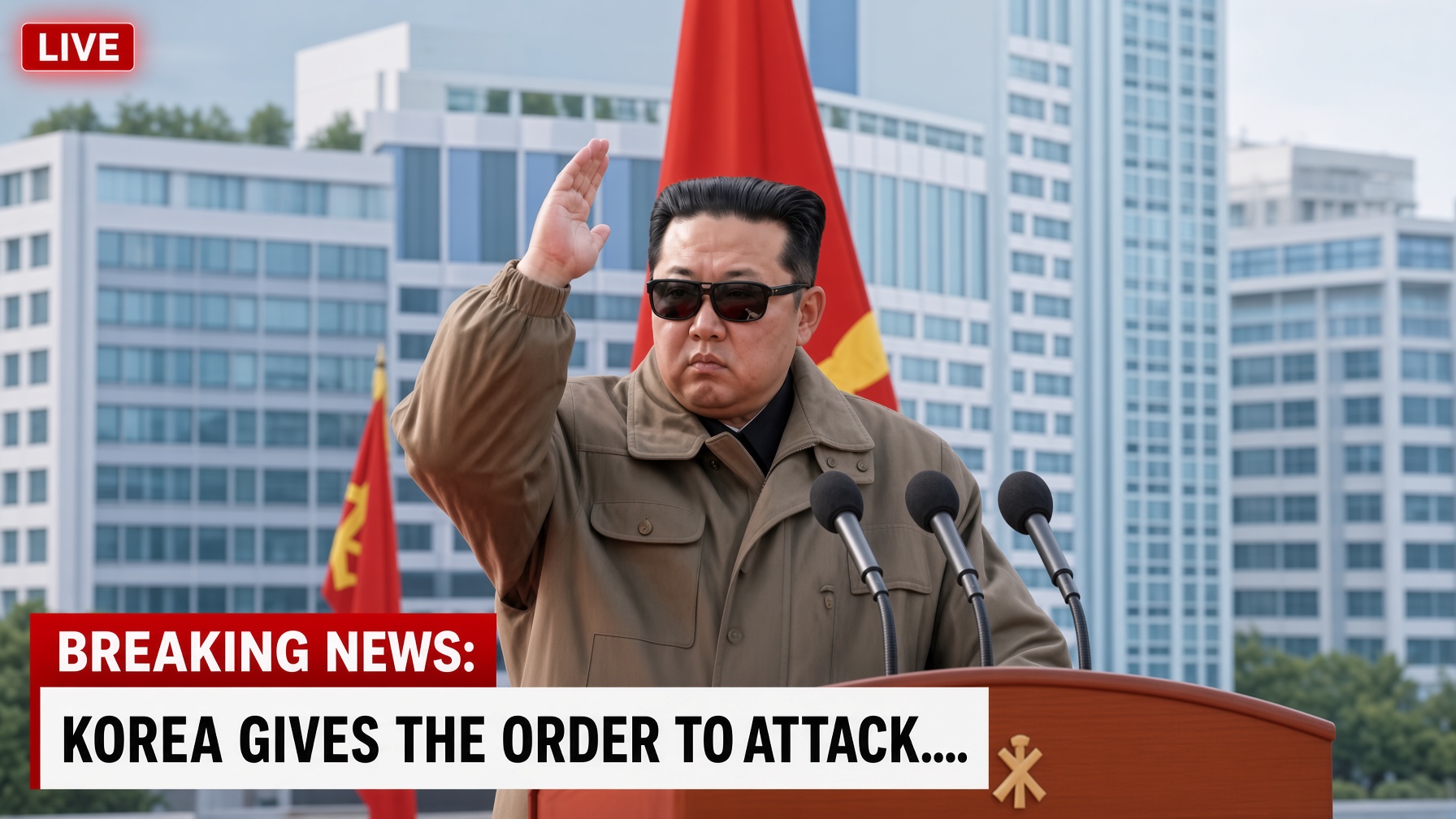
Recent news headlines have caused widespread concern and confusion online, claiming that Korea has issued an order to attack another country. These reports spread rapidly across social media, prompting discussions, debates, and in some cases, panic. However, after careful verification from trusted sources, these claims have been confirmed as false.
Understanding the facts, sources, and the context surrounding such headlines is essential
for everyone navigating today’s fast-moving news environment.
Understanding the Situation The Claims The viral story suggested that the Korean government had authorized a military strike against another nation, sparking fears of escalating regional conflict. Social media posts and certain websites amplified the claim, often without citing credible sources or official statements.
The Reality Verified reports from official government channels and reputable news organizations indicate that no such military order was issued. South Korean officials have emphasized that the government is actively monitoring international tensions, working to maintain regional stability, and prioritizing the safety of its citizens.
There is no evidence of a planned attack or any military action that matches the viral claims.
Several factors contribute to this False news, especially regarding high-stakes topics like military actions, tends to circulate quickly online. Several factors contribute to this:
Social Media Algorithms: Platforms often amplify sensational content, making it more visible regardless of accuracy. Fear and Anxiety: News that implies danger or conflict triggers strong emotional responses, increasing shares and engagement. Clickbait Headlines: Some sites intentionally craft attention-grabbing headlines to drive traffic, even if the story lacks credible evidence.
Understanding these mechanisms helps the public remain critical of unverified reports and reduces the spread of panic-inducing misinformation.
The Importance of Relying on Trusted Sources When faced with alarming news, it is essential to verify information through reliable channels. Trusted sources for international news include:
Official government statements and press releases Reputable global news agencies such as the Associated Press, Reuters, or BBC Expert analyses from recognized political or military scholars By consulting these sources, individuals can make informed judgments and avoid sharing unverified claims that could create unnecessary fear Reputable global news agencies such as the Associated Press, Reuters, or BBC Expert analyses from recognized political or military scholars By consulting these sources, individuals can make informed judgments and avoid sharing unverified claims that could create unnecessary fear.
The Role of South Korean Officials South Korean authorities have consistently prioritized peaceful conflict resolution and regional security. Statements released by government spokespeople clarify that the focus is on diplomacy, international cooperation, and protecting the public rather than aggressive military action.
Officials have reiterated the importance of:
Monitoring international developments to assess potential threats Maintaining public calm by providing accurate information Engaging in diplomatic discussions with allies and neighboring countries These measures reflect a responsible approach to regional security, contrasting sharply with the sensational claims circulating online Maintaining public calm by providing accurate information Engaging in diplomatic discussions with allies and neighboring countries These measures reflect a responsible approach to regional security, contrasting sharply with the sensational claims circulating online.
Public Reactions and Responsibility When such false reports emerge, reactions are often mixed. Some individuals may panic, while others might question the credibility of media outlets. It is important for the public to:
Avoid sharing sensational news without verification Check multiple reputable sources before reacting Educate themselves and others about the dangers of misinformation Responsible consumption and sharing of news help reduce confusion and promote an informed, calm public discourse.
Lessons From Viral False Reports The incident highlights broader lessons about the modern information landscape The incident highlights broader lessons about the modern information landscape:
Critical Thinking is Essential: Not every headline represents verified facts. Take time to analyze content. Trust Credible News Outlets: Established media organizations follow rigorous verification standards.
Avoid Amplifying Fear: Sharing alarming content without confirmation can exacerbate public anxiety. Stay Informed, Stay Safe: Accurate information empowers individuals to make rational decisions. By applying these principles, readers can better navigate news cycles and avoid being misled by sensationalist claims.
The Global Context Regional tensions in East Asia are often a subject of international attention. While South Korea is engaged in ongoing monitoring and strategic planning regarding regional security, it is critical to distinguish actual military activity from rumors or misinformation.
This situation serves as a reminder of the importance of Diplomatic channels are actively used to address conflicts Military actions, if any, are subject to strict protocols and public announcements Public speculation should not replace factual reporting Understanding this context helps prevent misconceptions about the intentions and policies of any government.
Conclusion The recent viral claim that Korea has ordered a military attack is completely false. Trusted verification confirms that there is no planned action, and South Korea continues to prioritize diplomacy, safety, and regional stability.
This situation serves as a reminder of the importance of Consulting reliable news sources Avoiding the spread of unverified claims Staying calm in the face of sensational headlines Educating oneself about the difference between verified facts and viral rumors In a world where news travels faster than ever, responsible consumption and sharing of information are critical. By approaching news critically and relying on credible sources, the public can remain informed without succumbing to unnecessary fear.