High-Stakes Diplomacy: Navigating the Narrow Path to De-escalation in the Persian Gulf
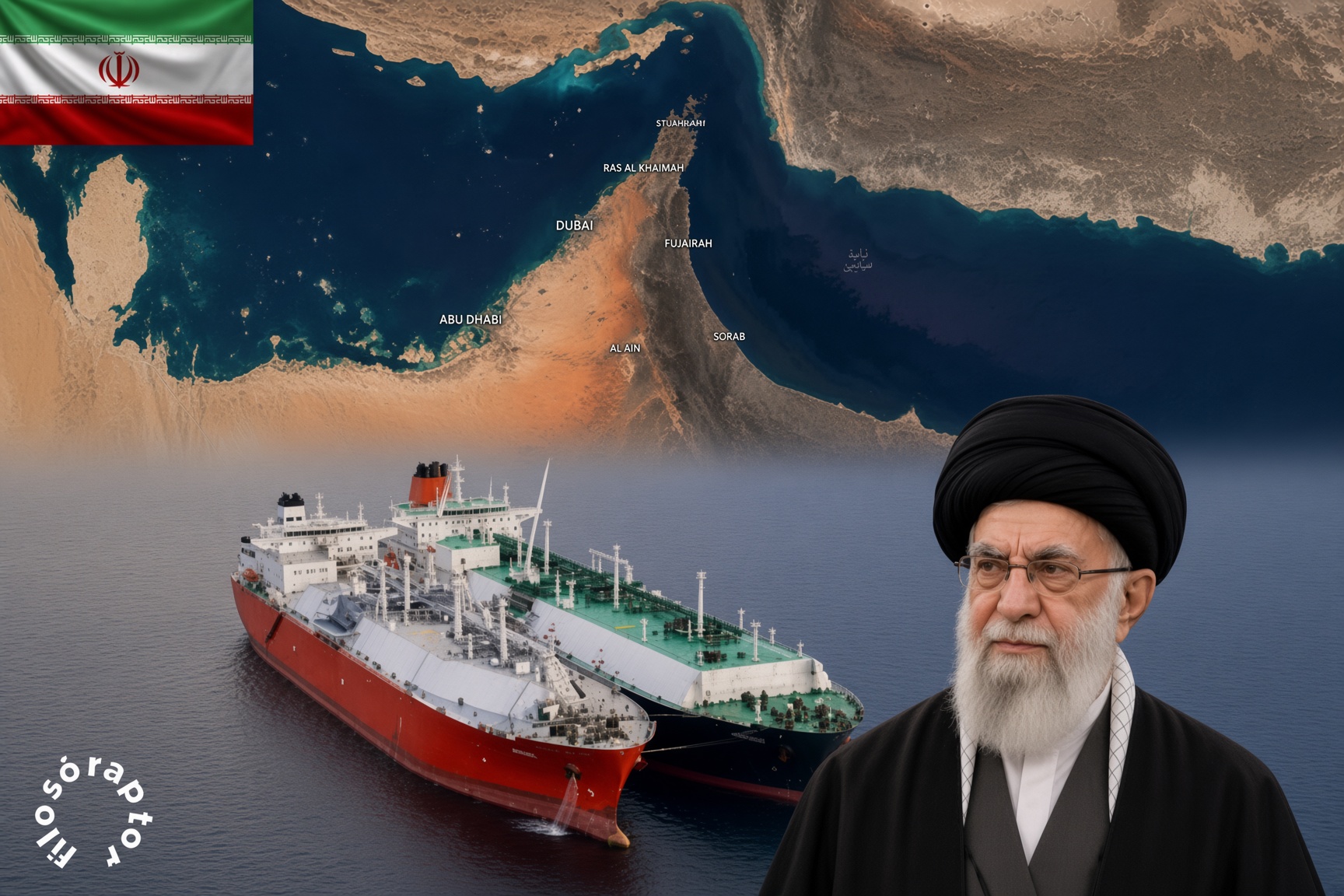
In the quiet diplomatic channels of Doha and Washington, high-ranking officials are currently navigating a high-stakes diplomatic confrontation where the margin for error is rapidly narrowing. With significant U.S. military forces positioned throughout the Middle East and tensions surrounding the Strait of Hormuz reaching a fever pitch, negotiators face the Herculean task of finding a path toward de-escalation. The primary objective is to avoid a catastrophic conflict without either side appearing to surrender its core strategic demands or national pride.The United States, under the Trump administration, has maintained a strategy of combining military leverage with economic pressure. By deploying naval assets to the region, Washington aims to force Tehran back to the negotiating table to produce a more comprehensive agreement than the 2015 nuclear deal. U.S. officials are emphasizing the necessity of stronger restrictions on uranium enrichment, more extensive verification measures, and long-term commitments designed to prevent Iran from rapidly rebuilding its nuclear infrastructure. This “maximum pressure” campaign is designed to extract concessions that were previously thought unattainable.However, Iranian negotiators remain deeply skeptical of Washington’s long-term intentions. Years of confrontation and shifting American foreign policy have reinforced concerns in Tehran that any new agreement could be abandoned or revised by a future administration. While Iran has signaled it could consider reopening the Strait of Hormuz to more normalized traffic under specific conditions, it demands meaningful sanctions relief and guarantees that any future deal will be respected. This fundamental lack of trust remains the most significant obstacle to a peaceful resolution.The Strait of Hormuz adds a layer of global urgency to these discussions. As one of the world’s most critical energy routes, any prolonged disruption could send oil prices soaring and cause massive economic consequences globally. Shipping companies, energy producers, and international governments are monitoring the Doha talks with bated breath. A successful breakthrough could stabilize financial markets and allow military forces to step back from their current heightened alert status. Conversely, a failure in diplomacy could leave the region vulnerable to further strikes, retaliation, and a broader escalation that neither side may be able to control. The outcome of these negotiations will ultimately determine if the region moves toward a fragile peace or a deeper, more dangerous confrontation.