Major Update on Possible U.S.-Iran Deal as Negotiations Enter Critical Phase
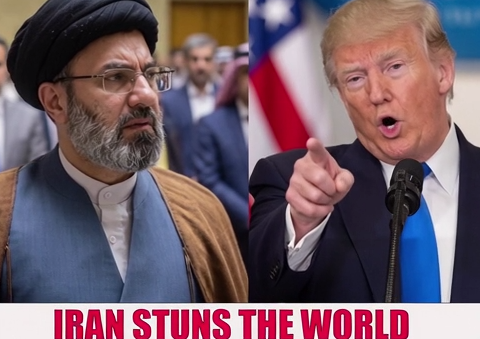
The Trump administration says negotiations with Iran have entered what officials describe as a critical and potentially decisive phase, as U.S. diplomats pursue a comprehensive agreement addressing Iran’s nuclear program, regional security, and freedom of navigation in the Middle East.
Led by President Donald Trump, Vice President JD Vance, and Secretary of State Marco Rubio, American negotiators are holding discussions in Qatar aimed at reaching a long-term framework that officials say would reduce regional tensions while strengthening international security. The talks are focused on limiting Iran’s nuclear activities, ensuring safe passage through the Strait of Hormuz, and establishing a more durable agreement than previous nuclear accords.
During a recent visit to India, Secretary Rubio reaffirmed the administration’s commitment to protecting international shipping through the Strait of Hormuz, one of the world’s most important maritime trade routes. Rubio described unrestricted navigation as essential to global commerce and said the United States remains committed to diplomacy but is prepared to walk away from negotiations if its core national security objectives are not achieved.
Diplomatic efforts have continued alongside an active U.S. military presence in the region. According to U.S. Central Command, American forces recently conducted what officials described as self-defense strikes targeting missile launch sites and Iranian naval assets near Bandar Abbas after identifying threats to U.S. aircraft and naval vessels. Military officials said the operations were intended to protect American personnel and preserve regional stability despite an ongoing but fragile ceasefire.
Administration officials say a proposed agreement would require Iran to eliminate its stockpile of highly enriched uranium and suspend uranium enrichment for an extended period under a comprehensive international verification system. In exchange, the United States would consider easing selected economic sanctions and certain maritime restrictions if Iran fully complies with the agreement.
The administration has emphasized that any final accord must be more comprehensive and enforceable than the 2015 Joint Comprehensive Plan of Action, arguing that a stronger framework is necessary to permanently limit Iran’s nuclear capabilities and enhance long-term regional security.
Iranian officials have acknowledged progress in the negotiations while cautioning that major differences remain unresolved. Foreign Ministry spokesman Esmaeil Baqaei said understandings had been reached on several issues but stated that substantial disagreements continue and accused the United States of changing positions during portions of the talks.
Although no agreement has been finalized, officials on both sides indicate that negotiations remain active. The coming rounds of talks are expected to determine whether the ongoing diplomatic effort can produce a lasting agreement capable of reducing tensions and improving stability across the region.