Rubio Signals Trump Administration’s Next Major Hemispheric Focus Is Cuba
WASHINGTON — The Trump administration has intensified its efforts to pressure Cuba’s communist government through a series of immigration, legal, diplomatic, and economic actions targeting individuals and institutions linked to the island’s leadership.
One of the administration’s most notable recent actions came on May 22, 2026, when U.S. Immigration and Customs Enforcement (ICE) arrested Adys Lastres Morera in Miami. She is the sister of Ania Guillermina Lastres Morera, president of Grupo de Administración Empresarial S.A. (GAESA), a military-controlled conglomerate that U.S. officials say oversees a large share of Cuba’s economy.
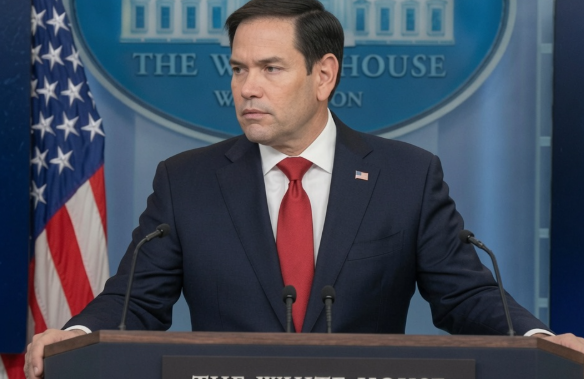
Secretary of State Marco Rubio announced that Adys Lastres Morera’s lawful permanent resident status had been revoked, arguing that her continued presence in the United States was incompatible with U.S. foreign policy interests. She remains in ICE custody while deportation proceedings continue.
According to Rubio, the administration plans to expand its scrutiny of relatives and associates of officials connected to governments the United States considers hostile. The initiative is part of a broader strategy to increase pressure on Cuba’s ruling establishment while strengthening American influence across the Western Hemisphere.
The administration has also reportedly moved to restrict Venezuelan oil shipments to Cuba, a measure analysts say has worsened fuel shortages and added to the island’s economic difficulties. Reduced energy supplies have placed additional strain on transportation, electricity generation, and other critical sectors.
Separately, federal prosecutors have unsealed an indictment against former Cuban President Raúl Castro in connection with the 1996 shootdown of civilian aircraft operated by a Miami-based exile organization, reviving a decades-old dispute between Washington and Havana.
Cuban officials have condemned the administration’s actions as interference in the country’s internal affairs. Meanwhile, analysts say the combination of immigration enforcement, economic sanctions, legal action, and diplomatic pressure represents one of the Trump administration’s most coordinated efforts to challenge Cuba’s leadership.
Observers believe the latest measures are likely to deepen tensions between the United States and Cuba while increasing political and economic pressure on Havana in the months ahead.