Rubio Signals Trump Administration’s Next Major Hemispheric Focus Is Cuba
WASHINGTON — The Trump administration has escalated its campaign against Cuba’s communist government through a series of legal, diplomatic, and economic measures aimed at individuals and organizations tied to the island’s leadership.
A significant development occurred on May 22, 2026, when U.S. Immigration and Customs Enforcement (ICE) arrested Adys Lastres Morera in Miami. She is the sister of Ania Guillermina Lastres Morera, the executive president of Grupo de Administración Empresarial S.A. (GAESA), a military-run business conglomerate that U.S. officials say controls a substantial portion of Cuba’s economy.
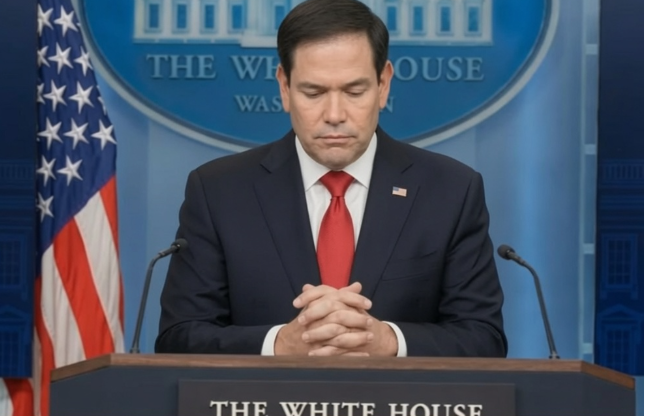
Secretary of State Marco Rubio announced that Adys Lastres Morera’s lawful permanent resident status had been revoked, stating that her continued presence in the United States was inconsistent with American foreign policy interests. She remains in ICE custody as deportation proceedings move forward.
Rubio indicated that the administration intends to broaden its review of relatives and associates of officials connected to governments viewed by Washington as adversarial. The action reflects the administration’s broader strategy of increasing pressure on Cuba’s leadership while reinforcing U.S. influence throughout the Western Hemisphere.
Beyond immigration enforcement, the administration has reportedly taken steps to restrict Venezuelan oil shipments to Cuba, a move that analysts say has contributed to worsening fuel shortages and additional economic challenges on the island.
In a separate legal action, federal prosecutors have unsealed an indictment against former Cuban President Raúl Castro related to the 1996 shootdown of civilian aircraft operated by a Miami-based exile organization, a longstanding point of contention between the United States and Cuba.
Cuban officials have strongly criticized the administration’s actions, calling them interference in the country’s internal affairs. Political analysts note that the combination of immigration enforcement, economic restrictions, legal proceedings, and diplomatic pressure marks one of the administration’s most comprehensive efforts to challenge Cuba’s ruling establishment.
Observers say these developments could further strain U.S.-Cuba relations while increasing pressure on Havana’s leadership in the months ahead.