House Passes Stopping Fraudulent Payments Act, Sending Measure to Senate
The U.S. House of Representatives has approved the Stopping Fraudulent Payments Act by a vote of 218-200, advancing legislation designed to strengthen safeguards against improper federal payments and reduce taxpayer losses caused by fraud. The measure, introduced by House Oversight Committee Chairman James Comer (R-Ky.), now moves to the Senate for consideration.
The legislation seeks to reform the federal government’s current approach to preventing improper payments by allowing agencies to temporarily pause, condition, or divide payments that show an elevated risk of fraud before funds are disbursed. It also authorizes the U.S. Treasury Department to return suspicious payment requests to federal agencies for additional review, using data from verification tools such as the Do Not Pay database.
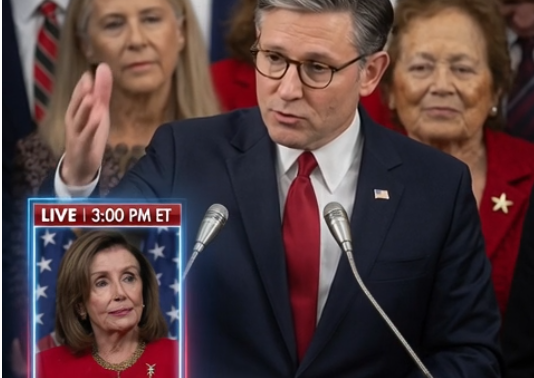
Supporters argue that the bill shifts the government’s focus from recovering improperly issued payments after the fact to preventing fraudulent payments before they occur. Speaking on the House floor, Comer described the proposal as a commonsense measure that would help ensure federal funds reach eligible recipients in the correct amounts while reducing opportunities for waste and abuse.
Lawmakers backing the legislation cited estimates from the Government Accountability Office indicating that improper federal payments totaled approximately $186 billion in fiscal year 2025, contributing to cumulative losses that have reached trillions of dollars over the past two decades. They contend that stronger oversight and improved verification procedures are necessary to protect taxpayer resources.
Several Republican lawmakers, including House Budget Committee Chairman Jodey Arrington (R-Texas) and Rep. Pat Fallon (R-Texas), said the measure represents an important step toward improving accountability across federal programs. They argued that preventing fraud before payments are issued is more effective than attempting to recover funds after they have been distributed.
Democrats opposed the bill, raising concerns that additional verification requirements could delay legitimate payments or create administrative burdens for federal agencies. Despite those objections, the legislation passed largely along party lines.
As the bill advances to the Senate, lawmakers from both parties are expected to continue debating how best to balance stronger anti-fraud protections with the efficient delivery of government benefits and services.