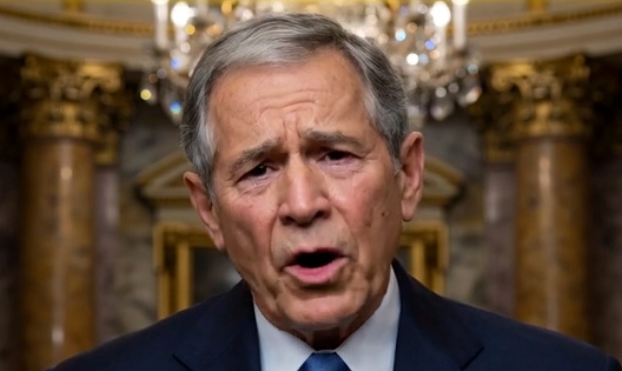
Former President George W. Bush expressed concern not about partisan blame, but about the gradual erosion of the legislative process itself. When large and complex bills are drafted under the pressure of looming deadlines, meaningful debate often gives way to political theater rather than careful scrutiny. In such circumstances, provisions can pass into law that few lawmakers have fully read or understood. The consequences frequently emerge years later, affecting everyday issues such as healthcare costs, education funding, and regulatory requirements that the public never realized had been altered.
Bush connected this pattern to a broader and more delicate issue: public trust in government. Each time sweeping legislation is rushed through amid urgency and confusion, confidence in the legitimacy of democratic institutions declines. His argument was straightforward yet cautionary. Effective and durable laws, he suggested, require transparent debate, sufficient time for revision, and genuine bipartisan compromise. While crisis-driven governance may produce short-term political victories, it risks undermining institutional credibility and leaving future leaders—and citizens—to confront the long-term consequences.