Kamala Harris Election Loss Sparks Debate Over Campaign Strategy and Messaging
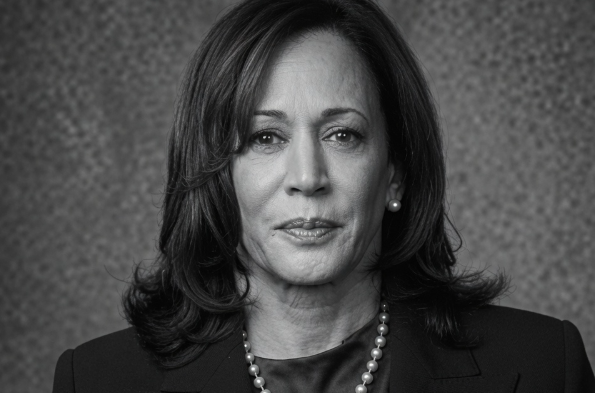
Kamala Harris’ defeat to Donald Trump has prompted extensive discussion among Democratic leaders, campaign staff, and political analysts about the factors that contributed to the outcome. While some supporters argued that President Joe Biden’s late withdrawal from the race left Harris with insufficient time to build a competitive national campaign, others maintained that the loss reflected broader strategic shortcomings rather than timing alone.
Former campaign aides said the campaign struggled to accurately assess the political environment from the outset. According to several insiders, the team assumed Harris would naturally inherit the coalition that had supported the Biden administration without fully reevaluating shifting voter priorities. Critics argued that confidence in existing support often outweighed data-driven analysis, leaving the campaign vulnerable in several key battleground states.
Former San Francisco Mayor Willie Brown was among those offering pointed criticism of the campaign’s approach. Brown said Democratic strategists failed to challenge their own assumptions and overlooked lessons from previous presidential elections, including Hillary Clinton’s 2016 defeat. He argued that successful campaigns require constant reassessment of voter concerns and a willingness to adapt strategy as political conditions evolve.
Messaging also emerged as a central issue in post-election evaluations. Political observers said the campaign attempted to appeal to a broad range of constituencies, but the effort sometimes resulted in an unclear and inconsistent message. At the same time, Harris spent considerable time defending the Biden administration’s record, making it more difficult to establish a distinct political identity. Many voters were left uncertain whether her candidacy represented continuity with the current administration or a new direction for the Democratic Party.
In contrast, Trump’s campaign maintained a consistent and focused message throughout the race. His rallies continued to draw enthusiastic crowds, while campaign advertisements and speeches reinforced themes that resonated with his supporters. Analysts noted that this disciplined messaging helped strengthen his standing in several competitive states.
Campaign insiders also acknowledged that outreach to rural communities, Latino voters, and younger Americans intensified only during the closing weeks of the race, limiting its effectiveness. By the time strategic adjustments were implemented, many believed the opportunity to reverse declining momentum had already passed.
The election results carried significant emotional and political consequences for Harris and her supporters. Reports described a somber atmosphere as the outcome became clear, while Democratic leaders immediately began evaluating the campaign’s decisions. The post-election review has centered on improving voter outreach, refining campaign messaging, and ensuring future Democratic candidates remain responsive to changing political dynamics across the country.