Fact-Check: Dissecting the Viral Falsehoods of South Korean Military Escalation
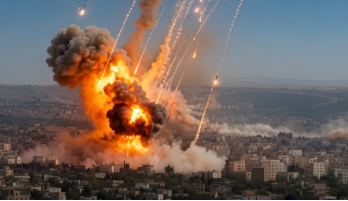
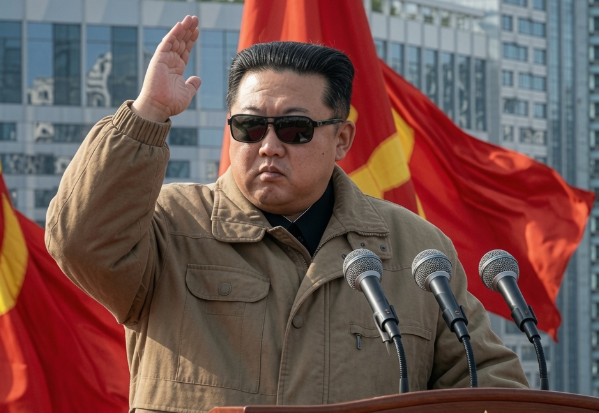
In an era where digital speed often compromises factual integrity, a wave of viral misinformation recently claimed that South Korea had issued formal orders for a military offensive. These reports, which originated on fringe digital outlets before saturating major social platforms, triggered widespread anxiety and speculative debates. However, a rigorous investigation by South Korean Officials and independent analysts has confirmed these claims are entirely baseless. The government maintains its longstanding commitment to Regional Stability and continues to prioritize diplomatic engagement over active provocation. This incident highlights the dangers of unchecked rumors, which can result in significant Stock Market Instability and a collapse in public trust.The rapid dissemination of these Viral False Reports reveals the structural weaknesses of the modern information ecosystem. Social Media Algorithms are fundamentally designed to prioritize engagement, often amplifying sensationalist or fear-driven content over objective truth. Furthermore, the prevalence of Clickbait Headlines—driven by the need for advertising revenue—exploits public fears regarding the complex geopolitical climate of East Asia. When technical vulnerabilities intersect with regional tensions, the result is a volatile environment where fabricated narratives can be mistaken for breaking news, necessitating a more cautious approach to digital consumption.To combat this “digital fog,” experts urge the public to rely on Trusted Sources and established global news agencies such as the Associated Press (AP), Reuters, and the BBC. These organizations utilize rigorous fact-checking protocols that serve as a safeguard against unverified claims. Additionally, verifying alarming news through official Government Press Releases is essential for maintaining a clear understanding of state actions. By cross-referencing information across multiple reputable platforms, individuals can avoid contributing to the spread of Misinformation that threatens international security.The Korean Government has responded with a strategy of transparent de-escalation, reiterating its focus on Diplomacy and international cooperation. This situation serves as a stark reminder of the role Critical Thinking plays in the modern information lifecycle. Every digital citizen has a responsibility to verify content before sharing it. Ultimately, while the geopolitical landscape remains intricate, the recent rumors of a military strike were a complete fabrication. In the age of information, the preservation of truth requires constant vigilance and a refusal to succumb to the lure of sensationalism.