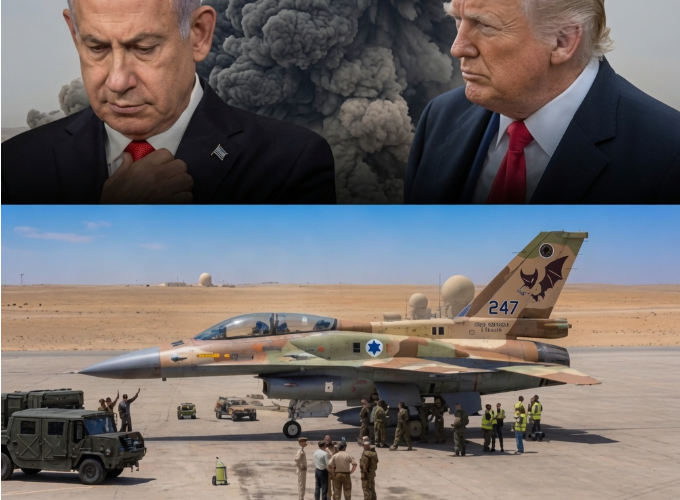
Iran-Israel Conflict Intensifies Amid Missile Exchanges and Growing Regional Concerns
Iran’s missile strikes against Israel have marked a significant escalation in the ongoing Middle East conflict, increasing concerns about regional stability and the potential for a broader military confrontation. The continued exchange of attacks has prompted renewed international calls for restraint and diplomatic efforts to prevent further escalation.
Some reports have alleged that Iran used cluster munition warheads in attacks targeting areas near Tel Aviv. These claims have not been independently verified. If confirmed, the use of cluster munitions would likely attract heightened international scrutiny because such weapons disperse numerous smaller explosives over a wide area, potentially leaving unexploded ordnance that can endanger civilians long after hostilities end. Iranian officials have described their military actions as a response to Israeli operations, including the killing of senior Iranian personnel.
Israel has continued to rely on its layered missile defense systems, including Iron Dome and Arrow, to intercept incoming projectiles. Israeli authorities have reported that many missiles have been successfully intercepted, although defense experts note that sustained, large-scale attacks can place increasing demands on air defense capabilities.
The conflict has also affected the wider region. According to published reports, Iranian forces and allied groups have launched attacks against U.S. military facilities and partner installations in several Gulf states, contributing to increased U.S. military activity and operations targeting Iranian-linked groups.
Beyond the military dimension, the fighting has intensified humanitarian and economic concerns. Civilian casualties, infrastructure damage, and population displacement have been reported in multiple areas affected by the conflict. In addition, uncertainty surrounding regional security has contributed to volatility in global energy markets, particularly because of concerns over shipping and oil exports through the strategically important Strait of Hormuz.
Despite ongoing diplomatic efforts, negotiations have made limited progress. Analysts warn that without meaningful de-escalation, the conflict could continue expanding, increasing humanitarian suffering while posing broader economic and geopolitical risks across the Middle East and beyond.