A Capital Divided: The High Cost of Federalizing Washington, D.C.
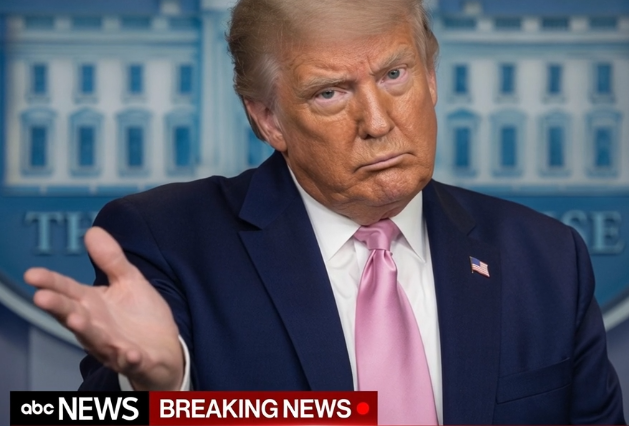
Following an executive order by Donald Trump, the federalization of Washington, D.C. has transformed the city into a theater of high-stakes law enforcement. The deployment of joint task forces, armored vehicles, and ICE vans across the capital has led to a rapid decline in reported crime. For a segment of the population, this intervention marks the first time in years they have felt safe walking their own streets, viewing the heavy federal presence as a necessary response to long-standing public safety concerns.However, this perceived security comes at a significant social cost. In many neighborhoods, the presence of ICE near schools and corner stores has instilled a deep sense of dread. Families have retreated from public life, and the sight of unmarked cars has turned daily routines into exercises in evasion. Even within the police force, local officers report confusion over the new hierarchy, struggling to identify who holds ultimate authority during emergency calls.Ultimately, the federal takeover of the American democracy’s capital serves as a profound stress test for the nation’s values. While the streets may be quieter, the city is forced to confront a difficult question: whether safety built upon a foundation of surveillance and fear can truly be considered security. This shift from local governance to federal control highlights the thin line between maintaining order and compromising democratic freedoms.