U.S.-Iran Diplomatic Framework Gains Momentum Amid Regional Tensions
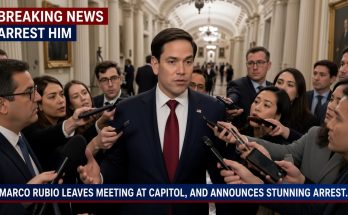
The United States and Iran are reportedly advancing toward a preliminary framework agreement aimed at de-escalating Middle East tensions. Facilitated by mediation from Qatar, these high-stakes negotiations seek to stabilize a fragile ceasefire and foster conditions for broader diplomatic engagement. Despite this progress, the Trump Administration maintains a rigid “good deal or no deal” stance, signaling that Washington will only accept terms that fully safeguard U.S. national security interests and avoid inadequate concessions.A critical component of the ongoing discussions involves maritime security in the Strait of Hormuz, a vital artery for global oil exports. Secretary of State Marco Rubio has reaffirmed that ensuring unrestricted freedom of navigation is a non-negotiable prerequisite for any lasting accord. This diplomatic push occurs alongside a continued U.S. military defensive presence in the region, which remains on high alert following recent security incidents involving Iranian forces.For its part, Iran is seeking substantial sanctions relief in exchange for implementing limits on its enriched uranium program. While both sides acknowledge improved momentum, significant political and security obstacles remain. A comprehensive agreement will require resolving deep-seated grievances and complex regional challenges that continue to test the durability of the proposed framework and the stability of the international energy market.