Naval Escalation: U.S. Strike Group Neutralizes Iranian Vessel in Arabian Sea
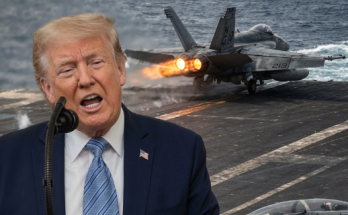
A volatile military encounter recently unfolded in the Arabian Sea, marking a significant escalation in regional maritime tensions. An Iranian vessel reportedly approached the USS Abraham Lincoln (CVN-72) at a proximity described as dangerously close, highlighting the fragile and increasingly unpredictable nature of operations in one of the world’s most contested waterways. Initially, the U.S. Navy attempted to deter the approaching craft using a Mark 45 naval gun, a 5-inch, 54-caliber weapon system that has been a staple of the American fleet since the 1970s. Despite its reputation for precision against surface and aerial targets, multiple rounds failed to strike the Iranian vessel, leaving ambiguity as to whether the shots served as a warning or missed their intended mark.As the initial deterrent proved ineffective and the vessel maintained its course, U.S. commanders authorized a lethal escalation of force. A military helicopter, likely an MH-60R Seahawk or an AH-1Z Viper, was deployed from the carrier strike group armed with the AGM-114 Hellfire missile system. The helicopter engaged the target, successfully firing two missiles that scored direct hits. While the strike was confirmed, U.S. Central Command (CENTCOM) has yet to release specific details regarding the damage sustained or potential casualties, maintaining a strict control over information that is characteristic of high-stakes military incidents involving Iran.The USS Abraham Lincoln currently leads a massive strike group including the USS Spruance (DDG-111) and the USS Michael Murphy (DDG-112), a force designed to project American influence and maintain stability. However, this incident is part of a broader, troubling trend of maritime friction; U.S. Central Command reports indicate that American naval forces have damaged or destroyed more than 90 Iranian vessels since expanded operations began in the region. As the Arabian Sea remains a critical flashpoint, this latest encounter underscores the alarming speed at which routine monitoring can transform into a direct military confrontation, necessitating a heightened state of readiness for all U.S. carrier strike groups.