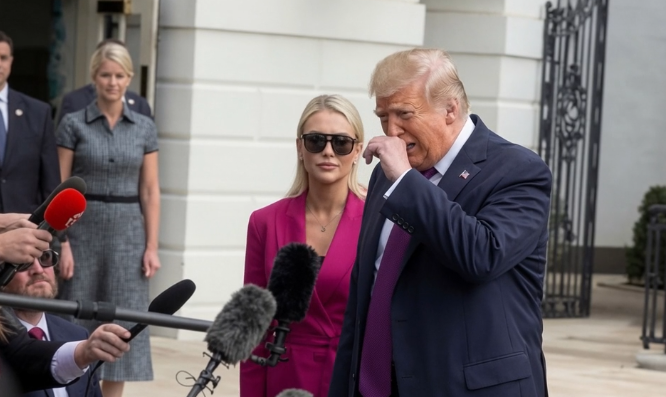
Accountability on Trial: The Legal Challenge to the Transfer of Power
The recent indictment represents a pivotal moment in American history, characterizing the efforts to contest the election results as a coordinated scheme to obstruct the lawful transfer of power. Rather than viewing these actions as mere political dissent, prosecutors contend that they posed a direct threat to democratic institutions and the fundamental integrity of the electoral system. This legal battle moves beyond the ballot box, positioning the judiciary as the ultimate arbiter of whether executive actions crossed the line into criminal interference.Public sentiment remains deeply polarized, reflecting a societal rift over the nature of justice and executive privilege. Proponents of the prosecution argue that legal accountability is essential for maintaining the rule of law, asserting that no individual, regardless of their position, is above judicial scrutiny. Conversely, critics view the proceedings as politically motivated maneuvers designed to target a leading political figure. This dichotomy underscores the heightened tension between the pursuit of justice and the perception of partisan bias.As court proceedings unfold, the focus will transition from partisan rhetoric to rigorous legal arguments and evidentiary testimony. The eventual verdict is poised to redefine the boundaries of presidential authority and legal immunity. Regardless of the outcome, this case will undoubtedly shape the future of public trust and serve as a cornerstone for discussions regarding the resilience of America’s democratic institutions for generations to come.