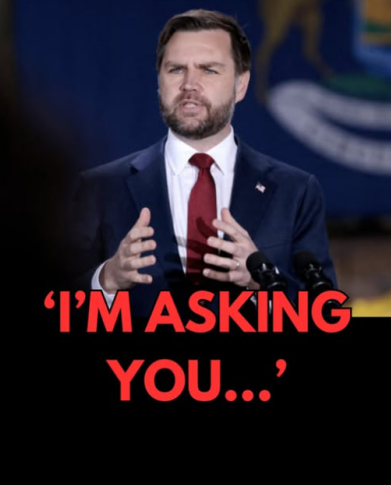
Vice President JD Vance has intensified pressure on Senate Republicans to advance the SAVE Act, making the legislation a central component of the Trump administration’s domestic agenda ahead of the 2026 midterm elections. Speaking at a manufacturing facility in Kansas City, Missouri, Vance acknowledged voter frustration with the Republican establishment but urged party supporters to remain unified behind what he described as a critical effort to protect election integrity and defend American workers.
The Safeguard American Voter Eligibility (SAVE) Act would require individuals registering to vote in federal elections to provide documentary proof of U.S. citizenship. Supporters, including President Donald Trump and Vice President Vance, argue that the measure would strengthen public confidence in elections and prevent noncitizen participation. Critics, primarily Democrats, contend that the proposal could create barriers for eligible voters who may not have immediate access to documents such as birth certificates or passports.
Despite Republican control of the Senate, the legislation faces significant obstacles due to the chamber’s 60-vote filibuster threshold. The impasse has exposed divisions within the Republican Party, particularly between its populist and institutional wings. Trump allies, including entrepreneur Elon Musk and Senator Mike Lee, have urged Senate Majority Leader John Thune to eliminate the filibuster to secure passage of key priorities. Thune has resisted those calls, citing insufficient support within the Republican conference and concerns about preserving Senate traditions.
Outside Washington, conservative commentators and strategists have encouraged a more aggressive approach. Some have proposed attaching the SAVE Act to major legislative packages, forcing Senate Democrats to repeatedly vote on election-security measures and creating a clear political contrast heading into the midterms.
As debate continues, the SAVE Act has become more than an election-policy proposal. It now serves as a defining test of Republican priorities, party unity, and the balance between legislative norms and political pressure as the 2026 election cycle approaches.