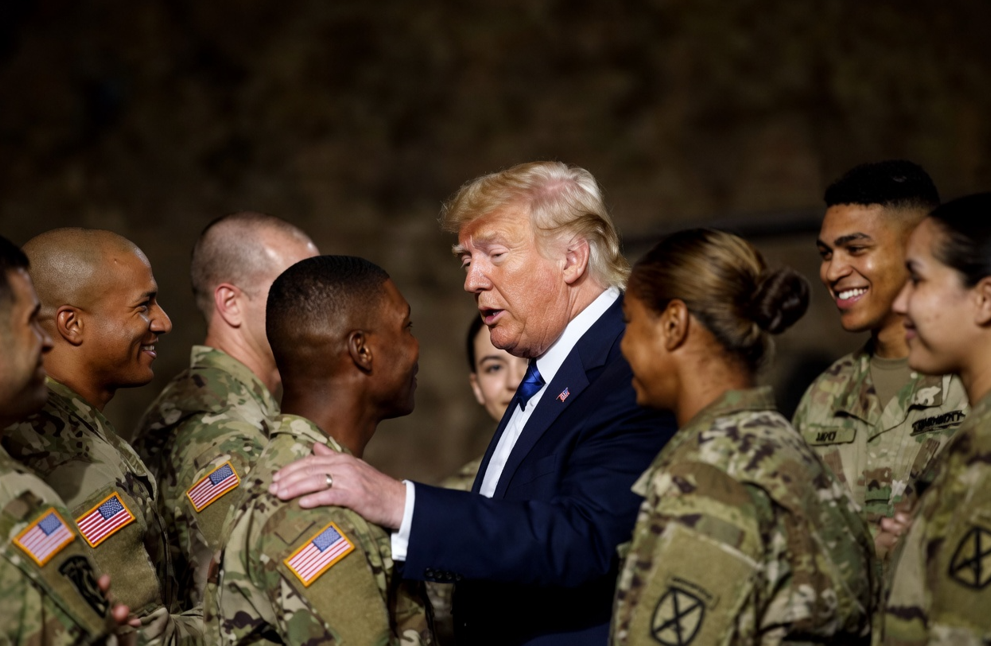
The recent reports of a military walkout, if verified, would constitute an unprecedented breach of discipline within the United States Armed Forces. Historically, the American military has functioned on a strict adherence to the chain of command, making any organized refusal to execute orders a matter of extreme concern for national security. Analysts suggest that such dissent may be the result of strategic ambiguity regarding U.S. policy toward Iran. When mission objectives shift or remain undefined, it creates a vacuum of clarity that complicates rules of engagement and raises profound questions regarding the legality and operational ethics of potential operations.
At the heart of the current crisis are the legal and ethical boundaries of modern warfare. Under the Geneva Conventions, the protection of civilian infrastructure is a non-negotiable standard. Experts argue that considering strikes on non-military targets not only risks noncombatant lives but also undermines the international legitimacy of the United States. This loss of moral standing could lead to a breakdown in coordination with European allies, who remain largely committed to a diplomatic framework. Furthermore, the situation has sparked a constitutional debate in Washington, with Congress exploring funding restrictions and emergency hearings to check the war powers of the Executive Branch and reassert legislative oversight.
The regional fallout in the Middle East is equally complex. Aggressive rhetoric from abroad tends to consolidate power within Iran’s hardline elements, effectively neutralizing moderates who might otherwise favor negotiation. This internal shift makes de-escalation significantly harder to achieve. On the economic front, the Strait of Hormuz serves as a volatile flashpoint; any disruption to this vital global energy corridor would send shockwaves through international markets, impacting oil prices and global supply chains. The mere perception of instability is often enough to trigger widespread economic volatility and market anxiety.
Nevertheless, the door to diplomacy has not been completely shuttered. Quiet negotiations through intermediaries continue to serve as a vital mechanism for avoiding miscalculations and preventing a full-scale conflict. These efforts, though often overlooked by the media, are essential for maintaining the architecture of international security. The resolution of this crisis will ultimately depend on a delicate balance of military discipline, political judgment, and a renewed commitment to de-escalation through established diplomatic channels.