The modern digital landscape was recently gripped by an intense wave of alarm as viral reports falsely suggested that former President Donald Trump had been the victim of a second shooting incident in Washington, D.C.. This surge of misinformation moved with terrifying speed across major social media platforms, leveraging dramatic language to provoke immediate emotional reactions. Despite the absolute absence of foundational evidence, the sheer volume of speculative posts created a temporary environment of confusion. This incident highlights the volatile nature of online political discourse, where the boundaries between reality and fabrication are increasingly blurred by the velocity of digital sharing.
As the rumors reached a fever pitch, it became evident that the claims lacked any basis in reality. No law enforcement agency or government office issued any statement regarding such an event. In the case of high-profile figures like a former U.S. President, the United States Secret Service and major media outlets typically disseminate verified information within minutes of a legitimate security breach. The total silence from these official channels served as a definitive indicator that the narrative was a complete fabrication. Nevertheless, the lack of immediate confirmation did little to slow the initial spread of the narrative, as the vacuum of information was filled by rampant speculation.
Media observers suggest the confusion was intentionally exacerbated by the use of recycled video footage and sensational headlines designed to maximize online engagement and algorithm visibility. Some accounts utilized clips from previous, unrelated events to lend a false sense of urgency and visual ‘proof’ to their claims. This tactic exploits the reality that, in a fast-paced digital environment, sensational content often outpaces accurate reporting. By the time professional journalists could intervene to correct the record, the story had already reached millions of screens, demonstrating the difficulty of reclaiming the narrative once a false narrative has gained significant momentum.
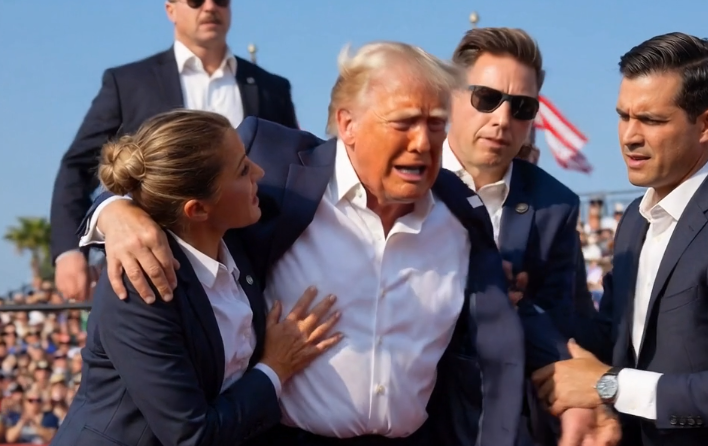
The public’s heightened sensitivity to such rumors is deeply rooted in the genuine assassination attempt that occurred during a campaign rally in Butler, Pennsylvania. That traumatic event left a lasting impact on the national consciousness, making any subsequent report of violence against Trump feel plausible to a wary public. This psychological backdrop creates fertile ground for digital hoaxes, as emotional resonance often overrides critical thinking and skepticism. Consequently, even the most unsubstantiated claims can trigger widespread political tension and public anxiety before they can be thoroughly debunked by reliable sources and official investigations.
Ultimately, this incident underscores the severe consequences of political misinformation in a hyper-connected society. Beyond causing unnecessary fear, such fabrications can overwhelm emergency services and distract authorities from genuine security concerns. Experts emphasize that the frequent targeting of prominent figures is often a calculated effort to generate revenue through clickbait. To combat this, the public is urged to practice media literacy by verifying sensational claims through multiple reputable news organizations. Waiting for verified evidence before reacting to or sharing content is essential to preventing the further destabilization of public trust.