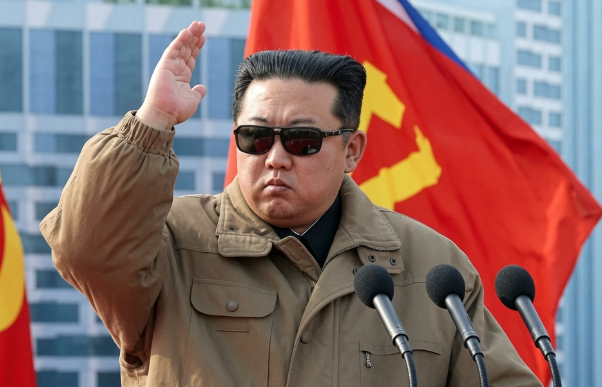
In an era defined by the rapid dissemination of information, the global digital landscape was recently rocked by a wave of viral reports suggesting that South Korea had issued a formal order for a military strike against another nation. These headlines spread with alarming velocity across social media platforms, triggering widespread panic and intense debate among international observers. However, following a comprehensive verification process by professional journalists and government authorities, these claims have been confirmed as entirely false. The incident highlights a growing vulnerability in the public’s information consumption habits, where sensationalism often outpaces factual reporting.
The spread of this misinformation can be attributed to several modern digital phenomena. Social Media Algorithms are fundamentally designed to prioritize high-engagement content, which often includes sensationalist or fear-inducing news. When a story implies an imminent military conflict, it triggers a response driven by Fear and Anxiety, leading users to share the content before verifying its source. Furthermore, many fringe websites utilize Clickbait Headlines to drive traffic for financial gain, intentionally crafting misleading narratives that lack any credible evidence or official attribution.
In response to the confusion, the South Korean Government and official military spokespeople have issued clarifications to reassure both the domestic and international public. Authorities emphasized that their current strategic focus remains steadfastly on Diplomacy, International Cooperation, and Regional Stability. Official statements confirm that there has been no change in military posture that would suggest an offensive strike. Instead, the government continues to prioritize the safety of its citizens and the maintenance of peaceful relations within East Asia, contrasting sharply with the aggressive rhetoric found in the viral rumors.
To navigate such volatile news cycles, it is essential for the public to rely on Trusted Sources. Reputable global news agencies, including Reuters, the Associated Press (AP), and the BBC, follow rigorous editorial standards that require multiple levels of verification. By cross-referencing alarming headlines with these established outlets and checking for official government press releases, individuals can protect themselves from being misled by fabricated stories. This incident serves as a stark reminder that Critical Thinking is the most vital tool for any modern news consumer.
The broader geopolitical context of the region often makes it a magnet for speculative reporting. While it is true that South Korea maintains a high state of readiness due to ongoing regional tensions, military actions are governed by strict protocols and are rarely, if ever, announced via unverified social media posts. The use of Diplomatic Channels remains the primary method for resolving conflicts. Analysts suggest that the public must learn to distinguish between strategic military monitoring and actual aggressive intent, a distinction that was lost in the recent flurry of false reports.
Ultimately, the responsibility for maintaining a calm and informed public discourse lies with the individual. The lessons from this viral hoax are clear: avoid sharing sensationalist content without confirmation, educate others on the dangers of Misinformation, and prioritize evidence-based reporting over emotional reactions. By fostering a culture of Media Literacy and responsible information sharing, the global community can better defend itself against the destabilizing effects of digital rumors. South Korea continues to operate with a focus on peace, and the recent claims of an attack order remain a cautionary tale of the power—and the danger—of the modern internet.